Fiddlers Grove: Wilson County's Open-Air History Village in Lebanon
Fiddlers Grove is a permanent historical village of restored 19th-century Wilson County buildings at the James E. Ward Agricultural Center in Lebanon — free to visit year-round, with live demonstrations during the Wilson County Fair.

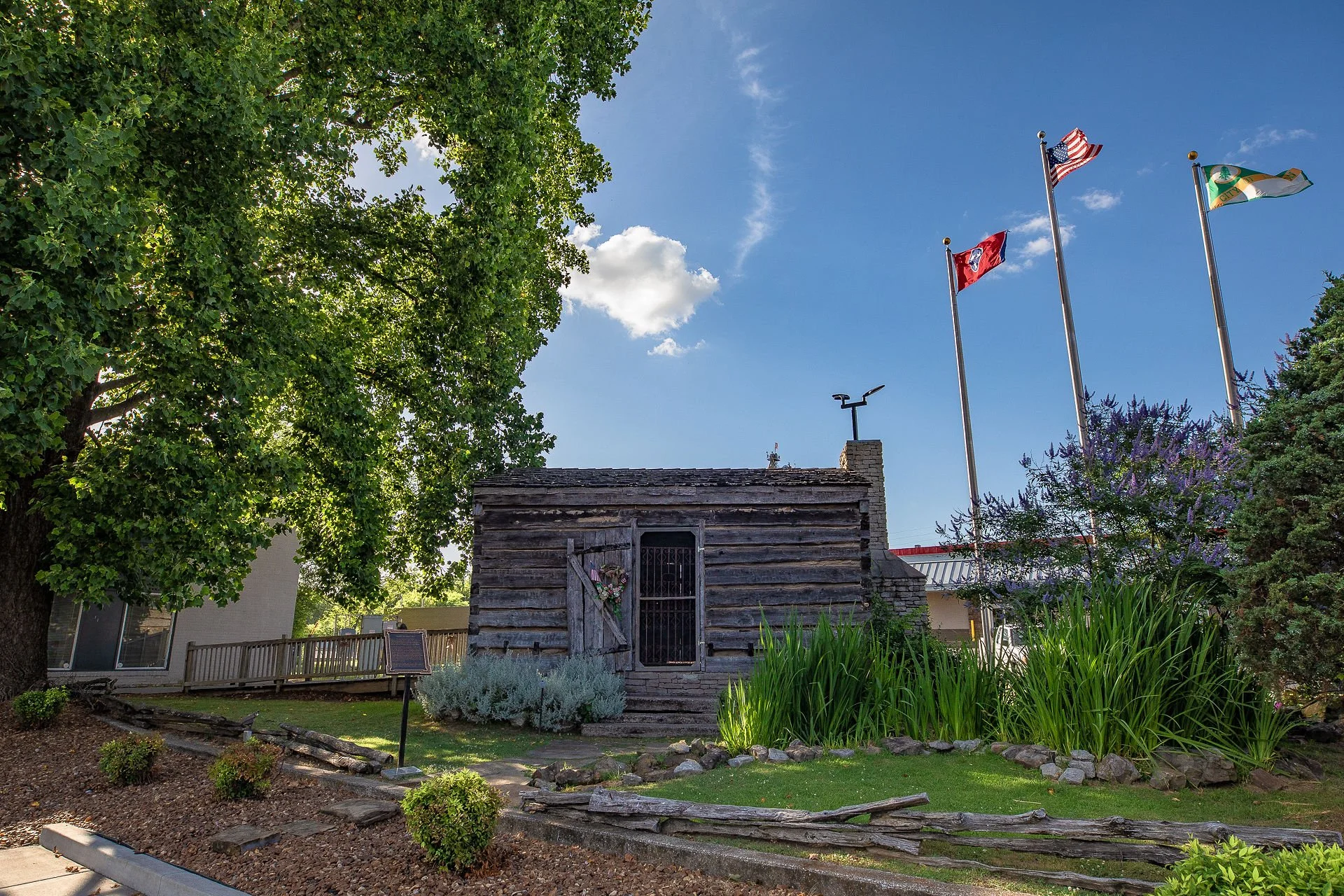

Fiddlers Grove is what happened when a Tennessee county decided that instead of bulldozing its 19th-century farm buildings, it would move them onto one piece of land and build a walkable history village out of them. The result sits at the James E. Ward Agricultural Center in Lebanon and quietly functions as one of Wilson County's most distinctive — and most free — attractions.
Most visitors stumble onto it the way people stumble onto any good small-museum experience: they come to the Ag Center for something else — the fair, a livestock show — and end up wandering past a working blacksmith shop, a log cabin, and a one-room schoolhouse that used to be somewhere else. Fiddlers Grove isn't trying to be a marketing attraction. It's a preservation project that happens to be open to the public.
Quick Facts
- Location: James E. Ward Agricultural Center, Lebanon, TN
- Cost: Free (regular park access); included in fair admission during the Wilson County Fair
- Type: Restored and relocated 19th-century Wilson County buildings arranged as a village
- Peak programming: During the Wilson County–Tennessee State Fair (mid-to-late August)
- Approximate walkthrough: 45–60 minutes self-guided; 90+ minutes during fair demonstrations
- Parking: Free on-site at the Ag Center
- Dogs: Leashed dogs welcome on grounds
Source: Wilson County Fair Grounds official site, Visit Wilson County. Retrieved April 2026.
What Fiddlers Grove Actually Is
Fiddlers Grove is a permanent historical village on the grounds of the James E. Ward Agricultural Center. Historically significant buildings from around Wilson County — buildings that would otherwise have been demolished — were relocated here, restored, and arranged as a functioning village layout. Every building is a real structure moved from a real place in the county. You're not looking at reproductions. You're looking at the actual 19th-century fabric of Wilson County, reassembled.
The village sits on the same 200+ acre property that hosts the Wilson County Fair every August, which means if you've been to the fair, you've walked past Fiddlers Grove without necessarily realizing it was a separate attraction.
What You'll See Walking Through
- A one-room schoolhouse
- A working blacksmith shop (demonstrations during the fair)
- A country general store
- A historic church
- Period homes and cabins
- Agricultural outbuildings
- A covered bridge or similar period infrastructure
Live demonstrations happen primarily during the Wilson County Fair in August, when volunteers in period dress run the blacksmith shop, cook in period kitchens, and interpret each building. Outside the fair, most buildings are open for self-guided exploration.
The volunteer corps is the engine behind all of this. Many interpreters are multi-generation Wilson County families — grandparents who grew up using the tools they're now demonstrating. That lineage makes the demonstrations feel less like theater and more like a skill still being actively passed along.
When to Visit
During the fair (mid-to-late August): Fiddlers Grove comes fully alive — demonstrations, costumed volunteers, working shops. The definitive experience, but you're competing with large fair crowds.
Spring/Fall: Lower crowds, comfortable weather, mostly self-guided. Best for families with younger kids who want the grounds to themselves.
Winter: Some buildings may be closed; the exterior architecture photographs beautifully with a light frost.
Outside fair week, the village is genuinely quiet — on a typical Saturday morning in April or October you might share it with a handful of other families and a photographer shooting senior portraits against the schoolhouse.
Getting There from Wilson County
| From | Drive time |
|---|---|
| Lebanon Public Square | ~5 min |
| Mt. Juliet | ~20 min |
| Watertown | ~20 min |
| Old Hickory (Wilson side) | ~25 min |
Source: Google Maps. Retrieved April 2026.
Frequently Asked Questions
Is Fiddlers Grove free to visit? Yes. Access to Fiddlers Grove is free outside of fair week. During the Wilson County–Tennessee State Fair, it's included in fair admission.
Where is Fiddlers Grove located? On the grounds of the James E. Ward Agricultural Center in Lebanon, TN. Enter through the main Ag Center entrance.
Is Fiddlers Grove kid-friendly? Yes. One of the better kid-friendly stops in Lebanon — kids can move freely between buildings, climb in and out of the schoolhouse, and watch the blacksmith work without standing in a museum line.
Do the buildings have live demonstrations? Yes, primarily during the Wilson County Fair (August). Blacksmithing, period cooking, and school-room demonstrations are common. Outside the fair, interpretation is mostly self-guided.
How long does it take to walk through? Self-guided: 45 minutes to an hour. With demonstrations during the fair: 90 minutes to two hours, easily.
A Local's Take
Fiddlers Grove is the kind of place that doesn't make it onto a relocating buyer's typical checklist, but probably should. It's free. It's a 20-minute drive from almost anywhere in the county. And it's the place that'll give your kids a concrete picture of what this part of Tennessee looked like before it became a fast-growing Nashville suburb.
Every building here was saved by someone. The fact that a county of 150,000+ residents still finds retirees and hobbyists willing to spend August weekends interpreting 19th-century farm life says something about the civic personality of the place — and a walk through the village gets that across faster than a spreadsheet of commute times ever could.
Want more Wilson County guides like this? Sign up for the twice-monthly newsletter.
Written by Jacob Armbrester, Real Estate Broker with Compass. Published 2026-05-02. Last updated 2026-04-19.



Jacob Armbrester
A Nashville native, licensed real estate broker, and your go-to guide for all things Middle Tennessee. I’m here to help you uncover the perfect neighborhood, understand the market, and move confidently. From relocation tips to hidden local gems, I’ve got your back.

Jacob Armbrester is a real estate agent affiliated with compass, a licensed real estate broker and abides by equal housing opportunity laws. all material presented herein is intended for informational purposes only...

.png)


.png)
Contact Us

Jacob Armbrester is a real estate agent affiliated with compass, a licensed real estate broker and abides by equal housing opportunity laws. all material presented herein is intended for informational purposes only. information is compiled from sources deemed reliable but is subject to errors, omissions, changes in price, condition, sale, or withdrawal without notice. no statement is made as to accuracy of any description. all measurements and square footages are approximate. this is not intended to solicit property already listed. nothing herein shall be construed as legal, accounting or other professional advice outside the realm of real estate brokerage.