Living in Watertown, Tennessee: A 2026 Neighborhood Guide
Watertown is the smallest incorporated city in Wilson County and — for a specific type of buyer — the most distinctive one. The city had an estimated population of about 1,500 in the 2024 US Census update, up from 1,484 in the 2020 decennial count. It sits roughly 45 miles east of downtown Nashville and 15 miles east of Lebanon along US-70, giving it a small-town character that Mt. Juliet and even Lebanon have largely traded for growth.
This is the guide for the buyers who know exactly what they're looking for in Watertown, and for the ones still figuring out whether the tradeoffs make sense.


Pros of Living in Watertown
More land per dollar. Watertown's housing mix leans toward acreage and rural lots. The 2025 median sale price trended meaningfully below Mt. Juliet or Lebanon, per Redfin monthly data — for more land.
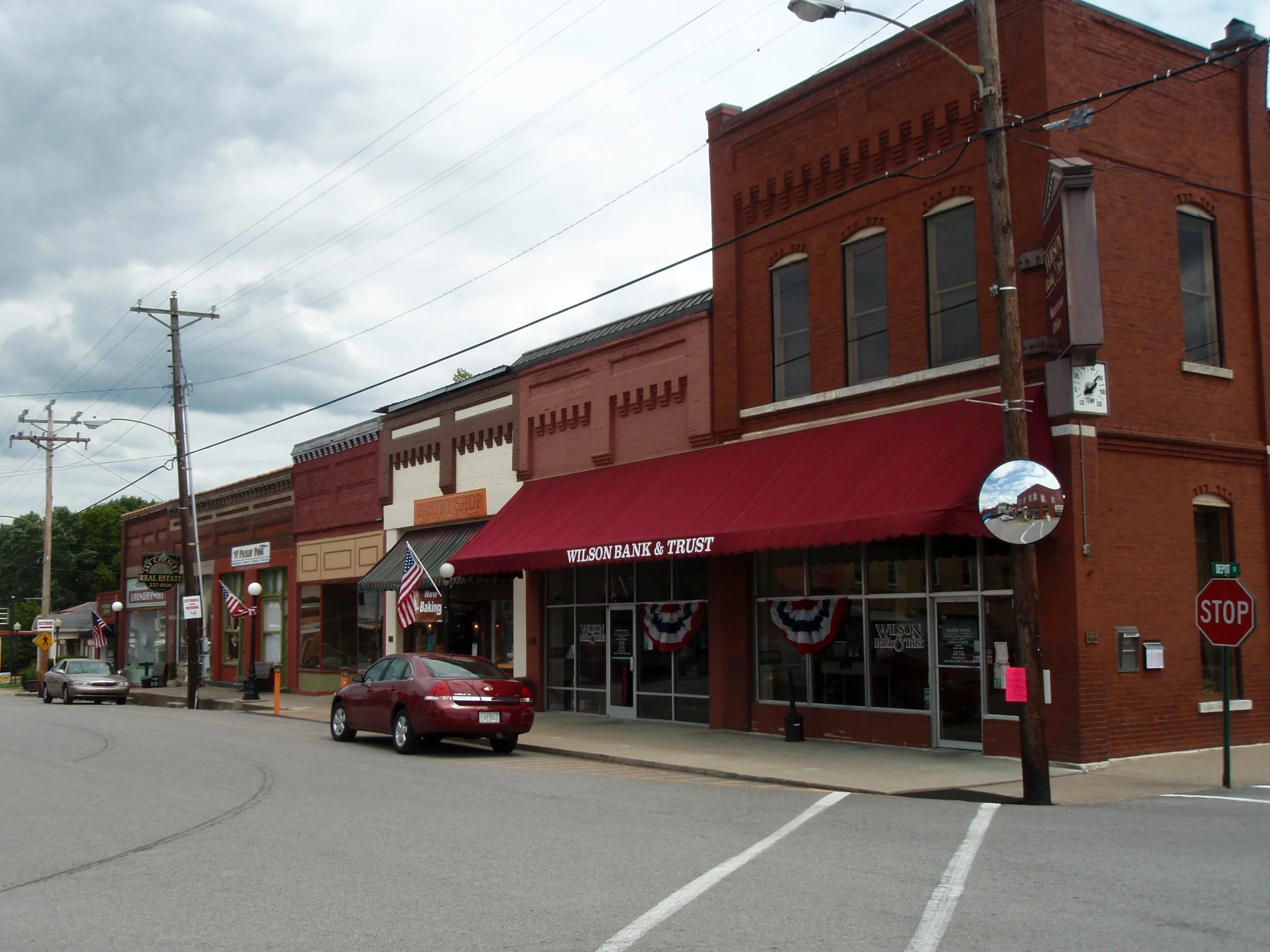
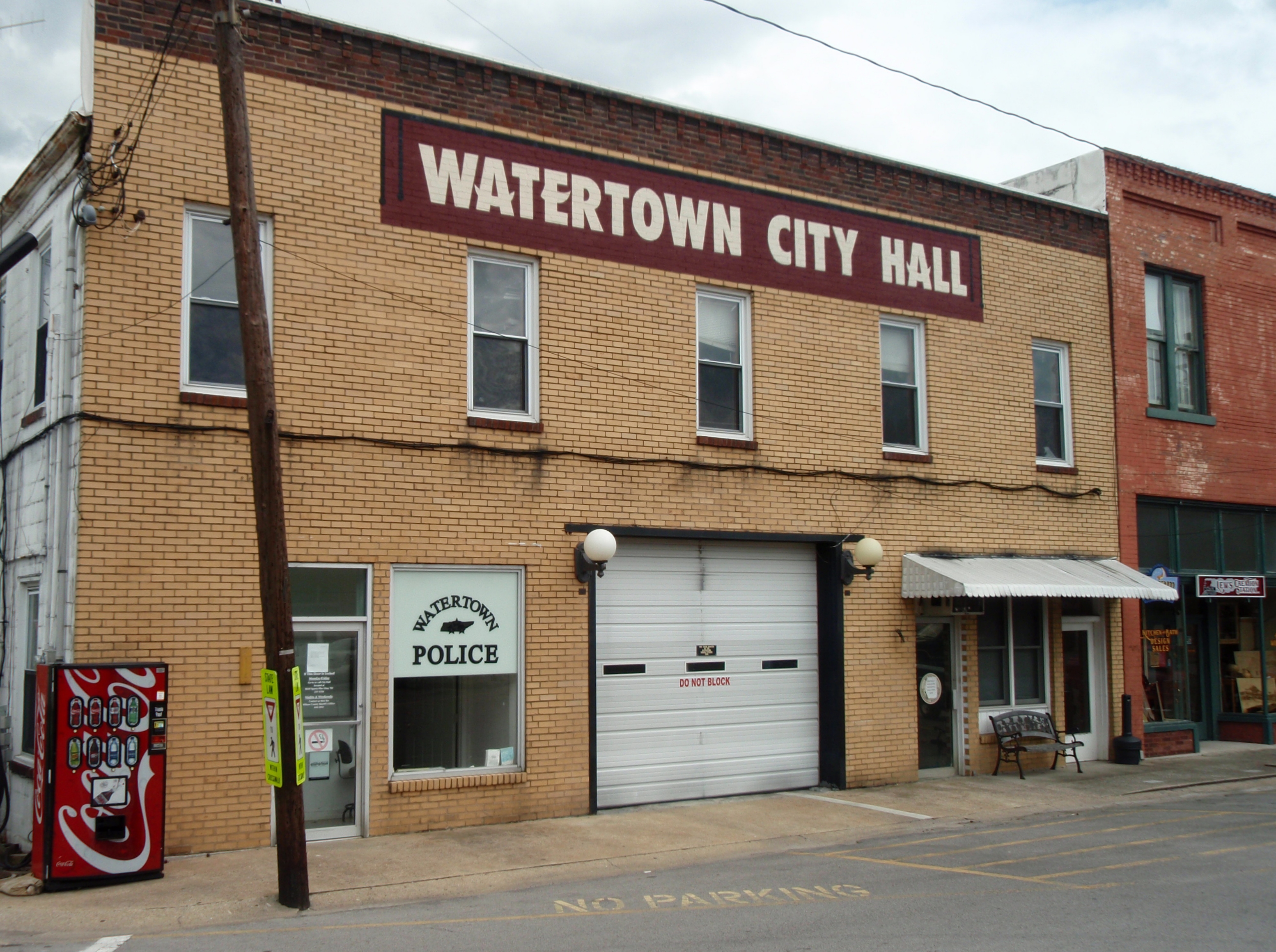
Historic town square. The Watertown Historic District is on the National Register of Historic Places, with preserved 19th-century storefronts around a classic courthouse-style square.
Tennessee Central excursion. The "Train to Watertown" ride, operated by the Tennessee Central Railway Museum, brings visitors from Nashville on scheduled weekends — a legitimate cultural asset for a town this size.
Dark skies and rural quiet. Watertown is far enough from Nashville's light dome to see real stars. The surrounding hills and farmland give the area a meaningful rural character.
Wilson County Schools. Zoning runs primarily to Watertown Elementary, Watertown Middle, and Watertown High School — all Wilson County Schools.
Cons of Living in Watertown
The commute. 45 miles to downtown Nashville via I-40 means a typical 55–70 minute drive off-peak and significantly longer at rush hour. The WeGo Star commuter rail does not reach Watertown; the eastern terminus is Lebanon.
Limited retail and services. Grocery, pharmacy, and specialty retail will require a drive into Lebanon (~20 minutes) or further west.
Thin inventory. With fewer than 1,700 residents, on-market inventory can be tight. Waiting for the right property often takes months.
Internet and utility variability. Fiber and high-speed internet coverage is improving but not universal in rural pockets. Verify coverage at the parcel level before relying on it for remote work.
Fewer evening options. There is no significant nightlife in Watertown. The downtown square has scheduled events and seasonal markets, but day-to-day evening activity is limited.

Walkability, Vibe & Lifestyle
Watertown's public square is one of the most walkable blocks in Wilson County — a compact grid of 19th-century brick storefronts you can cover in an afternoon. Outside that square, the town is rural. Streets run out into farmland within a few blocks. Sidewalks fade into shoulder roads. This is not a walkable commuter town; it's a walkable downtown set inside otherwise rural Wilson County.
The vibe is small-town deliberate. Residents know each other. The pace slows considerably from Mt. Juliet or even Lebanon. Scheduled events on the square — the Mile Long Yard Sale in spring, the Stars and Stripes celebration around Independence Day, and the Christmas parade — draw visitors from the region.
Day-to-day life means driving to Lebanon for groceries and most services. Old Hickory Lake is ~30 minutes away. Cedars of Lebanon State Park is closer, ~15 minutes south.
If you're coming from a metro and can't imagine a commute over 25 minutes, Watertown will probably feel too remote. If you've lived rural before and you want the Wilson County school system plus a historic square plus acreage, Watertown hits a very specific target.
Watertown Fact Sheet
- Population: 1,599 (2020 U.S. Census)
- County: Wilson County (eastern edge)
- Founded: 1840s; incorporated as a city in 1905
- Distance to Lebanon: ~15 miles
- Distance to downtown Nashville: ~45 miles via I-40
- Drive time off-peak: 55–70 minutes to Nashville
- School zoning: Watertown Elementary, Watertown Middle, Watertown High (Wilson County Schools)
- Historic district: Watertown Historic District, National Register of Historic Places
- Signature event: "Train to Watertown" excursion, Tennessee Central Railway Museum
- Nearest hospital: Vanderbilt Wilson County Hospital (Lebanon)
Watertown is the smallest incorporated city in Wilson County and — for a specific type of buyer — the most distinctive one. The city had an estimated population of about 1,500 in the 2024 US Census update, up from 1,484 in the 2020 decennial count. It sits roughly 45 miles east of downtown Nashville and 15 miles east of Lebanon along US-70, giving it a small-town character that Mt. Juliet and even Lebanon have largely traded for growth.
This is the guide for the buyers who know exactly what they're looking for in Watertown, and for the ones still figuring out whether the tradeoffs make sense.
Table of Contents
- Where Watertown Is and Why It Matters
- What Watertown Feels Like Day to Day
- The Watertown Housing Market in 2026
- Getting Around: Commute, Transit, Roads
- What's Nearby
- Schools in Watertown
- Pros and Cons of Living in Watertown
- Who Watertown Tends to Attract
- Frequently Asked Questions
- A Local's Take
Where Watertown Is and Why It Matters
Watertown sits on the eastern side of Wilson County along US-70 (the old cross-state route that pre-dates I-40) and along the Tennessee Central Railway line that runs between Nashville and the Cumberland Plateau. The town was founded in the early 19th century and, unusually for Middle Tennessee, its historic square has retained much of its 1800s and early-1900s commercial architecture.
Two things shape Watertown's place in the county:
- It's the rural anchor. Everything east of Lebanon — Watertown, Statesville, the unincorporated farms along US-70 — looks to Watertown as the local service center. The town has a grocery, a drugstore, a handful of restaurants, antique shops on the square, and the Wilson County Schools' easternmost campuses.
- It's the stop at the end of the historic excursion rail. The Tennessee Central Railway Museum runs tourist excursion trains from Nashville to Watertown on scheduled weekends, which delivers a small but steady stream of visitors to the square and the local shops.
Drive times from Watertown (Google Maps, April 2026): roughly 45–55 minutes to downtown Nashville off-peak, 60–75 minutes during peak hours. To BNA airport: 45–55 minutes. To Lebanon: 15–25 minutes. To Cookeville (the next major city east on I-40): about 45 minutes. Watertown is part of the Nashville–Davidson–Murfreesboro–Franklin Metropolitan Statistical Area.
What Watertown Feels Like Day to Day
Watertown's day-to-day feel is the most small-town-Tennessee of anywhere in Wilson County. The city is organized around a historic public square — smaller than Lebanon's, but with a similar layout and a similar concentration of walkable civic life.
On a typical Saturday in Watertown: the antique shops on and around the square are open. Local restaurants and cafes on the square are busy with a mix of residents and visitors. The Tennessee Central Railway excursion train may be arriving or departing from the Watertown depot if that weekend's run is scheduled. The Mile Long Yard Sale — an annual community yard sale along Watertown's main thoroughfare — runs on specific dates each year, drawing crowds that dwarf the city's year-round population.
Beyond the square, Watertown opens into historic residential streets, smaller mid-century subdivisions, and mini-farm and rural properties that extend into the surrounding unincorporated county. Lot sizes generally trend larger than anywhere else in Wilson County.
For a buyer moving here, the practical implication is that daily life involves fewer stops and more driving between them. Groceries, a bigger-box retailer, and most dining chains all sit 15–25 minutes away in Lebanon. What you gain in exchange is a genuinely walkable square you can actually use — not manufactured, not rebranded, just the original town as it's always been.
The Watertown Housing Market in 2026
Watertown's housing market is a distinct submarket within Wilson County. Three patterns hold in 2026:
- Generally lower per-square-foot pricing than Mt. Juliet or Lebanon. Watertown is the most affordable of the four Wilson County cities on a straightforward square-footage basis.
- Larger lots and land-oriented properties are common. Mini-farms, acreage parcels, and homes with space for animals, gardens, or barns are a regular part of the inventory.
- Historic homes near the square carry character premiums but remain more attainable than historic homes in Lebanon.
Inventory is thin. The total housing stock is small, so even a few new listings meaningfully shift the market month-to-month. For current median prices and days-on-market, Middle Tennessee REALTORS (mtrealtors.org) and RealTracs MLS data are the definitive sources. Reach out via the about page for a current Watertown submarket snapshot.
What's changed in 2025–2026. The Mile Long Yard Sale has continued to expand — recent spring events have drawn an estimated 10,000–20,000 attendees per the Watertown/East Wilson County Chamber of Commerce, which has in turn supported retail traffic on the square year-round. And the Tennessee Central Railway Museum's Watertown excursion schedule remains the single biggest traffic driver on a typical Saturday, anchoring the tourism pattern that keeps local restaurants and antique shops commercially viable.
Getting Around: Commute, Transit, Roads
Watertown drive times (Google Maps, April 2026):
| Destination | Off-peak | Peak |
|---|---|---|
| Downtown Nashville | 45–55 min | 60–75 min |
| BNA airport | 45–55 min | 55–70 min |
| Lebanon (county seat) | 15–25 min | 20–30 min |
| Mt. Juliet | 30–40 min | 35–50 min |
| Cookeville | ~45 min | ~50 min |
| Murfreesboro | 35–45 min | 40–55 min |
Commute reality. The Nashville commute from Watertown is the longest of any Wilson County city. For a daily 8-to-5 downtown Nashville commute, Watertown is a real stretch — plan on two-plus hours of daily driving in most conditions. This is the single biggest reason Watertown reads as a rural-or-remote-work market rather than a Nashville-commuter market.
The WeGo Star is NOT in Watertown. Watertown does not have a WeGo Star station. The easternmost station on the commuter rail line is Lebanon — roughly 15–25 minutes from Watertown by car. If rail commuting is important to you, you'd drive to Lebanon's WeGo Star station and ride from there.
US-70 and I-40 as commute routes. US-70 runs directly through Watertown and is the practical local route to Lebanon, Mt. Juliet, and points west. For trips beyond the metro — to Cookeville, Knoxville, or east Tennessee — I-40 is a short connector off of US-70. This east-Tennessee connectivity is an underrated Watertown feature for buyers whose work or family is on the Cumberland Plateau side of the state.
What's Nearby
- Tennessee Central Train to Watertown — the excursion train that runs scheduled weekends between Nashville and Watertown.
- Antique Shopping in Watertown — the concentrated antique-shop district on and around the square.
- Mile Long Yard Sale in Watertown — the annual community yard sale event that draws regional crowds.
- Downtown Lebanon Dining — the closest larger-city dining cluster, 15–25 minutes away.
- Cedars of Lebanon State Park — a 900-acre state park with an additional 9,420 acres of state forest, 20–25 minutes from Watertown.
Schools in Watertown
Watertown is served by Wilson County Schools. Schools commonly zoning Watertown and the surrounding eastern county include:
- Watertown Elementary School
- Watertown Middle School
- Watertown High School
For current, factual school ratings, Niche.com (niche.com/k12/search/best-schools/c/wilson-county-tn/) and the Tennessee Department of Education Report Card (reportcard.tnedu.gov) are the definitive sources. Ratings update annually. Private school options are limited within Watertown's immediate city limits — most Wilson County private school options are in Lebanon or Mt. Juliet and require a drive.
Pros and Cons of Living in Watertown
Pros
- Genuine historic small-town character. The square, the rail depot, the antique district — these aren't manufactured; they're the original town as it's always been.
- Lower cost of entry than any other Wilson County city on a straightforward dollar-per-square-foot basis.
- Larger lots and acreage options are broadly available, giving buyers meaningful land without the usual rural-distance tradeoff.
- East Tennessee connectivity. US-70 and I-40 make trips to Cookeville and the Cumberland Plateau straightforward.
- Quieter rhythm. Less traffic, less commercial noise, more agricultural and rail sound than anywhere else in Wilson County.
- Established tourism footprint. The antique district and excursion rail bring regular visitor traffic, which supports local businesses.
- Cedars of Lebanon State Park proximity. The 900-acre state park with 9,420 acres of surrounding state forest sits 20–25 minutes from the Watertown square.
- Walkable historic square. Unlike Mt. Juliet, Watertown has an actual walkable civic center — smaller than Lebanon's but fully functional as an everyday destination.
Cons:
- Longest Nashville commute in Wilson County. Not feasible as a daily 8-to-5 commute for most downtown Nashville jobs.
- No WeGo Star station in town. Rail commuters must drive to Lebanon first.
- Thin local retail base. Groceries, national retailers, and larger services require a drive to Lebanon or Mt. Juliet.
- Limited healthcare. Vanderbilt Wilson County Hospital in Lebanon is the closest full-service hospital.
- Slower inventory turnover. Small housing stock means fewer listings per month.
Who Watertown Tends to Attract
- Remote and hybrid professionals who don't need daily Nashville access.
- Buyers wanting acreage or mini-farm setups within the Nashville MSA.
- Long-tenure Wilson County residents who want to stay in the county but prefer a smaller-town feel than Mt. Juliet or Lebanon offer.
- Buyers drawn to historic character who find Lebanon's price points high and want a similar feel at a lower entry.
- Relocating households with east-Tennessee ties who appreciate the I-40 connectivity.
Watertown is not a fit for buyers prioritizing a daily Nashville commute, retail density, or the newest housing stock.
Frequently Asked Questions
What's the population of Watertown, TN? Approximately 1,500 in the 2024 US Census update, up from 1,484 in the 2020 decennial census. Watertown is the smallest incorporated city in Wilson County.
How far is Watertown from Nashville? Approximately 45 miles; 45–55 minutes off-peak and 60–75 minutes during peak commute hours, per Google Maps data. Watertown is the most distant of Wilson County's four incorporated cities from downtown Nashville.
Is there a commuter train from Watertown to Nashville? No. The WeGo Star commuter rail terminates in Lebanon, not Watertown. The Tennessee Central Railway Museum runs excursion trains to Watertown on scheduled weekends, but these are tourist trips, not regular commuter service.
What's the Mile Long Yard Sale in Watertown? An annual community yard sale event held along Watertown's main thoroughfare. Dates and scope vary year-to-year — check the Town of Watertown or Visit Watertown TN for the current year's dates and rules.
What school district serves Watertown? Wilson County Schools. Schools commonly zoning Watertown include Watertown Elementary, Watertown Middle, and Watertown High School.
Is Watertown good for antique shopping? Watertown has a concentrated antique-shop district on and around its historic square, which is the reason the town is a regular weekend-drive destination for Nashville-area antique shoppers. For current hours and specific shops, check Visit Watertown TN.
How far is Watertown from Cookeville? Approximately 45 miles by I-40; the drive takes about 45–50 minutes. This makes Watertown an unusually practical choice for buyers with Cookeville or east-Tennessee work or family ties.
Is Watertown, TN a good place to live? Watertown works for buyers who value historic small-town character, larger lots, and a quieter rhythm — and who don't need a daily Nashville commute. Remote and hybrid professionals, and households with east-Tennessee ties are the most common fits. The tradeoffs are real: the longest commute in Wilson County, thin local retail, and limited inventory.
What's the ZIP code for Watertown, TN? Watertown's primary ZIP is 37184, in area code 615.
Is Watertown growing? Watertown has grown slowly — roughly 1,484 residents in the 2020 census to an estimated 1,500 in 2024 per Census Bureau data. The small total population means even a handful of new households move the numbers noticeably.
A Local's Take
Watertown is the Wilson County town where "knowing what you want" matters most. The tradeoffs are specific and real: the longest commute, the thinnest retail base, the smallest housing inventory, and — in exchange — the most original small-town Tennessee character anywhere in the county.
The buyers who land well in Watertown tend to fit one of two patterns. The first is the remote-work household that's essentially untethered from daily Nashville commuting and values rural rhythm over suburban density. The second is the long-tenure Wilson County household that's lived in Lebanon or Mt. Juliet for years and wants to land somewhere quieter for the next chapter — usually with more land than their previous lot.
One nuance about Watertown's housing stock: the same small-town charm that draws buyers to the square also applies to the homes themselves, and many pre-1940 Watertown houses carry older-home realities — foundation settling, original windows, retrofit HVAC, knob-and-tube electrical that's been partially rewired. Budget for the walk-through with a Tennessee-experienced home inspector rather than a generalist.
The test for anyone evaluating Watertown: come out on a Saturday when the excursion train is in town. Walk the square, eat lunch somewhere local, poke around the antique shops, and drive a few of the rural roads east of town. That's the most honest version of Watertown you can see without living here — and it'll tell you in an afternoon whether this is your kind of town or whether Lebanon or Mt. Juliet is a better fit.
Want more Wilson County guides like this? Sign up for the twice-monthly newsletter — local guides, neighborhood updates, and the occasional market note.
Written by Jacob Armbrester, Real Estate Broker with Compass. Published 2026-04-18.









Jacob Armbrester
A Nashville native, licensed real estate broker, and your go-to guide for all things Middle Tennessee. I’m here to help you uncover the perfect neighborhood, understand the market, and move confidently. From relocation tips to hidden local gems, I’ve got your back.

Jacob Armbrester is a real estate agent affiliated with compass, a licensed real estate broker and abides by equal housing opportunity laws. all material presented herein is intended for informational purposes only...

.png)


.png)
Contact Us

Jacob Armbrester is a real estate agent affiliated with compass, a licensed real estate broker and abides by equal housing opportunity laws. all material presented herein is intended for informational purposes only. information is compiled from sources deemed reliable but is subject to errors, omissions, changes in price, condition, sale, or withdrawal without notice. no statement is made as to accuracy of any description. all measurements and square footages are approximate. this is not intended to solicit property already listed. nothing herein shall be construed as legal, accounting or other professional advice outside the realm of real estate brokerage.