Living in Lebanon, Tennessee: A 2026 Neighborhood Guide
Lebanon is the county seat of Wilson County and the largest city in the county by population — an estimated 44,000 residents in the 2024 US Census update, up from 38,431 at the 2020 decennial count. It sits 30 miles east of downtown Nashville along I-40 and anchors the eastern half of the county both geographically and economically. For buyers comparing Wilson County options, Lebanon is the town with the most historic character, the deepest commercial base, and the clearest civic identity.
This guide is the detailed version of what I'd tell a friend evaluating Lebanon against Mt. Juliet, Hendersonville, Murfreesboro, or any of the other commuter-distance cities in the Nashville metro. Honest tradeoffs, sourced numbers, and the specifics that don't make it into a one-paragraph city profile.

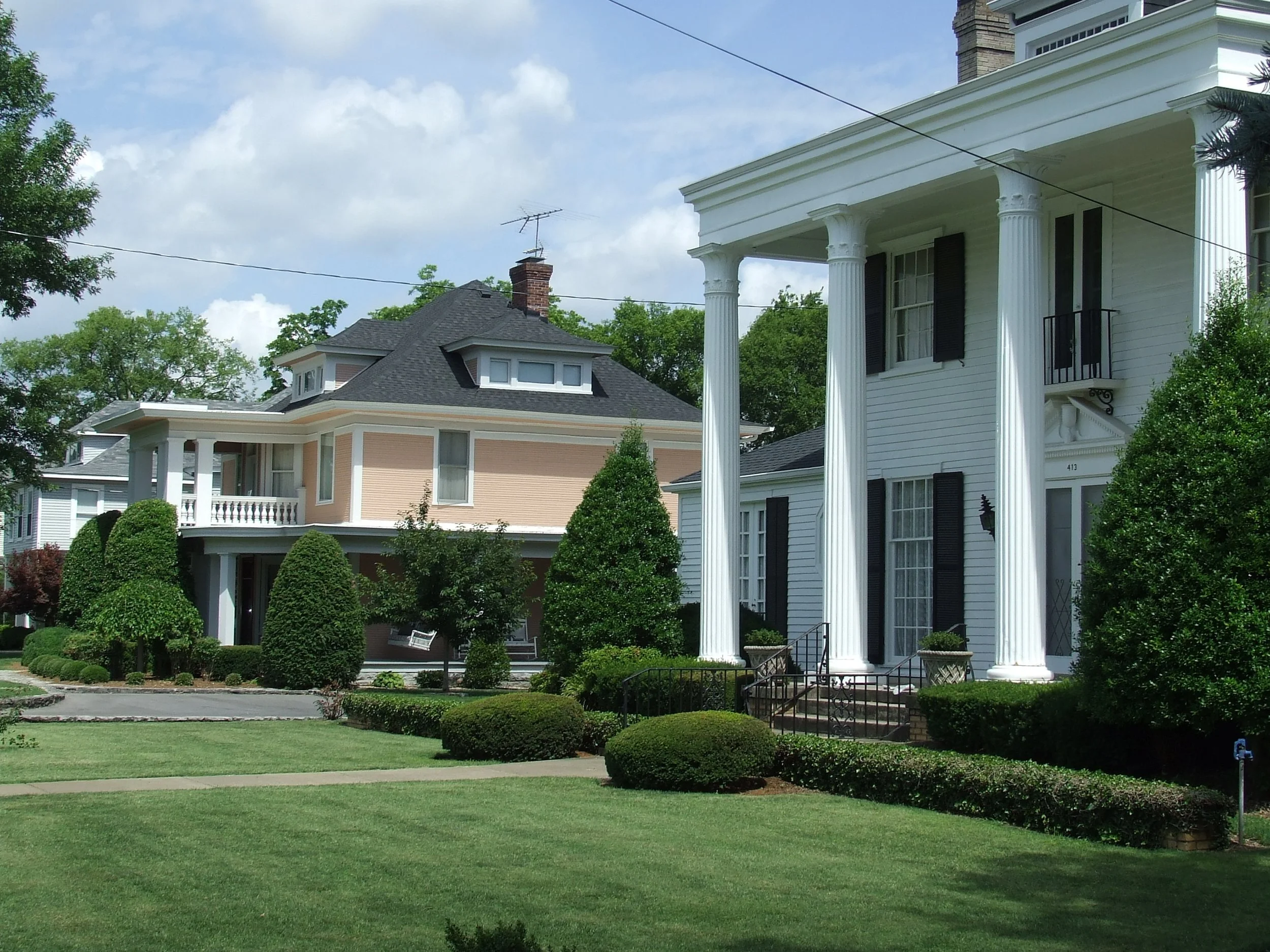


Pros of Living in Lebanon
Price per square foot. Lebanon's 2025 median single-family sale price trended in the low $400Ks per Redfin monthly data — meaningfully lower than Mt. Juliet or Franklin, for more lot and more house.
Historic walkable downtown. The Public Square and surrounding blocks form the Lebanon Commercial Historic District (National Register of Historic Places). Brick storefronts, boutiques, restaurants, and the restored Capitol Theatre sit around the square. Historic Lebanon programs regular downtown events.
Commuter rail terminus. The WeGo Star boards at Lebanon Station for weekday service to downtown Nashville's Riverfront Station (~50 minutes).
Cumberland University. A private university founded in 1842, adding college sports, cultural events, and degree programs to the city.
Cedars of Lebanon State Park. Just south of town — 117 campsites, 8+ miles of hiking trails, mountain biking, horseback riding, and a rare cedar glade ecosystem with wildflowers endemic to the area, per Tennessee State Parks.
Cons of Living in Lebanon
Longer Nashville commute. 30 miles on I-40 is ~35 minutes off-peak, but rush-hour inbound can run 50–70 minutes door-to-door. The WeGo Star train is weekday-only.
Nightlife is limited. Downtown has restaurants and a few bars, but concentrated late-night options are in Nashville.
Growth pressure. Rapid residential permitting has stretched infrastructure — both traffic and school capacity are active planning issues at the city and county level.
Fewer large retail clusters. You'll still drive to Mt. Juliet's Providence Marketplace or to Nashville for some specialty retail.
Climate. Middle Tennessee summers are humid, with typical July/August highs in the low 90s per NOAA normals.

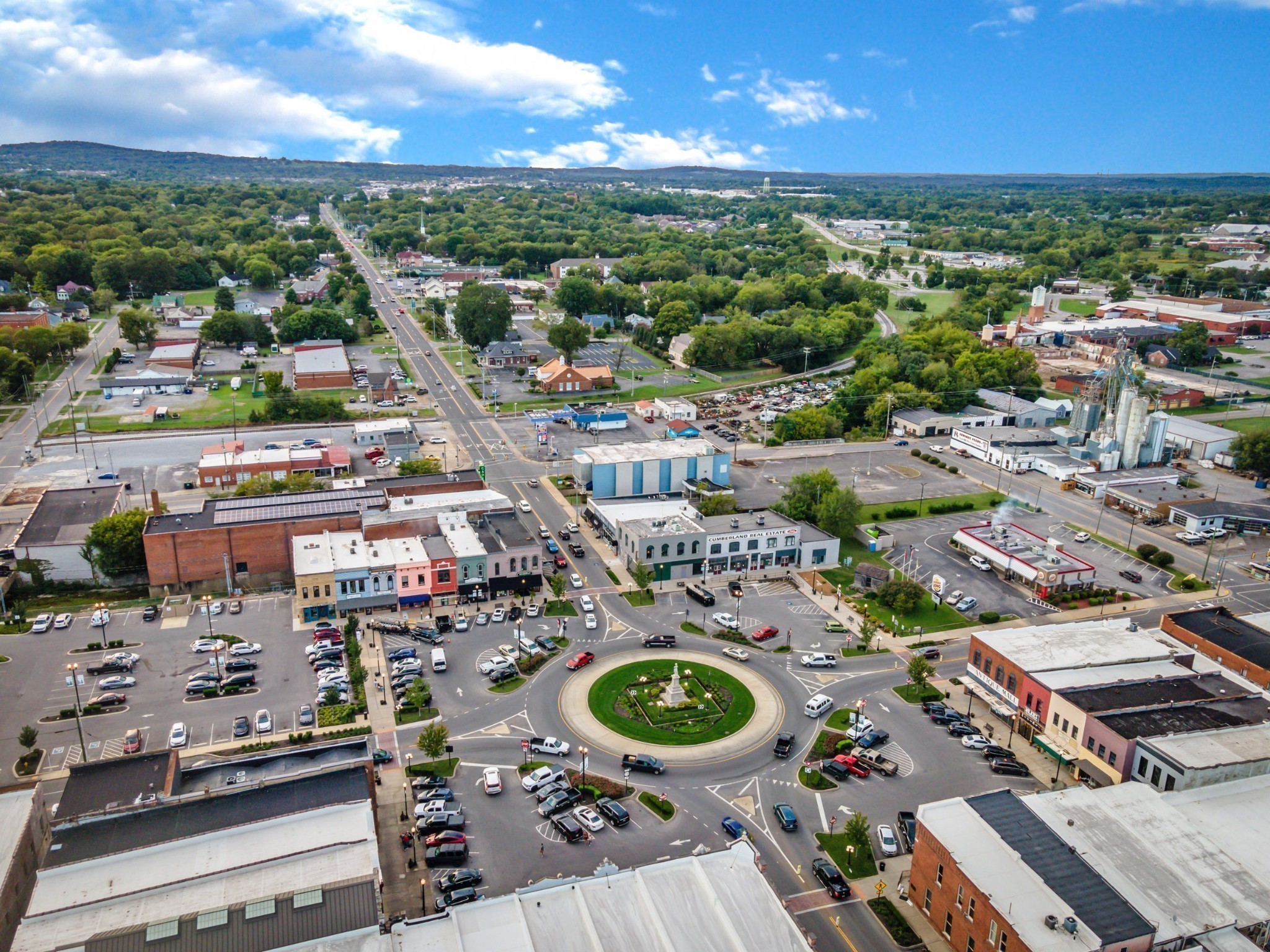
Walkability, Vibe & Lifestyle
Lebanon is one of the few Wilson County addresses where you can actually walk a downtown. The Public Square has brick storefronts, coffee shops, restaurants, and boutiques in a grid you can cover on foot in an afternoon. Historic Lebanon runs regular Shop Late evenings, seasonal festivals, and the Capitol Theatre hosts concerts and community events. Niche.com rates the city 9/100 for walkability overall (2025 data) — that's a city-wide average; the downtown core is meaningfully more walkable than the subdivisions north and south.
Outside downtown, Lebanon is car-dependent like most of Middle Tennessee. Don Fox Community Park provides paved walking trails, playgrounds, and a splash pad. Baird Park and the Jimmy Floyd Family Center add youth sports, swimming, and fitness facilities. Cumberland University's campus offers a walkable core of its own.
The overall rhythm is county-seat practical: courthouse business, college football Saturdays in the fall, concerts and plays at the Capitol, and the Wilson County Fair in August. Dining blends established local restaurants on and near the square with the chain strip along South Cumberland Street. The city runs several farmers' markets through the growing season.
If you want Nashville-dense nightlife, you'll still drive into Nashville or Mt. Juliet's Providence Marketplace. What Lebanon offers is density in its downtown core — rare for Wilson County — plus a historic architectural stock you don't see in newer suburbs.
Lebanon Fact Sheet
- Population: ~47,000 (2025 U.S. Census estimate)
- Founded: 1802; incorporated 1819
- Median single-family sale price (2025): low $400Ks (Redfin monthly)
- Distance to downtown Nashville: 30 miles via I-40
- Train commute: WeGo Star terminus; Lebanon to Riverfront Station, weekdays, ~50 minutes
- School districts: Lebanon Special School District (K–8) and Wilson County Schools (high school)
- University: Cumberland University (founded 1842)
- Hospital: Vanderbilt Wilson County Hospital (in Lebanon)
- Major employers: Cracker Barrel (HQ), Amazon, Under Armour, Permobil
- Marquee event: Wilson County Fair — Tennessee State Fair (August; largest fair in Tennessee)
- State park: Cedars of Lebanon State Park — 117 campsites, 8+ mi trails
Lebanon is the county seat of Wilson County and the largest city in the county by population — an estimated 44,000 residents in the 2024 US Census update, up from 38,431 at the 2020 decennial count. It sits 30 miles east of downtown Nashville along I-40 and anchors the eastern half of the county both geographically and economically. For buyers comparing Wilson County options, Lebanon is the town with the most historic character, the deepest commercial base, and the clearest civic identity.
This guide is the detailed version of what I'd tell a friend evaluating Lebanon against Mt. Juliet, Hendersonville, Murfreesboro, or any of the other commuter-distance cities in the Nashville metro. Honest tradeoffs, sourced numbers, and the specifics that don't make it into a one-paragraph city profile.
Table of Contents
- Where Lebanon Is and Why It Matters
- What Lebanon Feels Like Day to Day
- The Lebanon Housing Market in 2026
- Getting Around: Commute, Transit, Roads
- What's Nearby: Restaurants, Parks, Shopping
- Schools in Lebanon
- Pros and Cons of Living in Lebanon
- Who Lebanon Tends to Attract
- Frequently Asked Questions
- A Local's Take
Where Lebanon Is and Why It Matters
Lebanon sits at the intersection of I-40, US-70, and State Route 109, roughly 30 miles east of downtown Nashville. It's the Wilson County seat, home to the county courthouse on the Public Square, and the headquarters of Cracker Barrel Old Country Store, which was founded in Lebanon in 1969 and remains corporate-headquartered here.
Two facts shape Lebanon's geography and its feel:
- Lebanon has a traditional town square. The Public Square, centered on the historic courthouse, is the civic and commercial heart of the city. Restaurants, shops, Cumberland University's campus, and the Capitol Theatre all sit within a few blocks of the square. In a metro where most suburbs are corridor-defined, Lebanon's square-centered layout is distinctive.
- Lebanon straddles two commute realities. It's far enough east that the I-40 commute to Nashville is meaningfully longer than Mt. Juliet's (35–55 minutes typically, 50–70 at peak per Google Maps drive-time data), but close enough that daily Nashville commuting is still feasible. Lebanon is also the eastern terminus of the WeGo Star commuter train.
Lebanon is part of the Nashville–Davidson–Murfreesboro–Franklin Metropolitan Statistical Area. The city is served by its own public school district for elementary and middle grades — the Lebanon Special School District — while high school students attend Wilson County Schools (typically Lebanon High School). This two-district structure matters when comparing schools to other Wilson County cities.
What Lebanon Feels Like Day to Day
Lebanon's day-to-day feel is the most small-town-Southern of the four Wilson County cities. The Public Square is the reason — it gives the city a physical center that Mt. Juliet, by virtue of being a newer corridor-built city, doesn't have.
The square itself has seen steady investment over the past decade. The Capitol Theatre (a restored early-20th-century theater) hosts live events and film screenings on the square. Independent restaurants, coffee shops, and specialty retailers fill the storefronts radiating from the courthouse. Cumberland University's campus sits a short walk northeast of the square, and the Lebanon Farmers Market operates seasonally nearby.
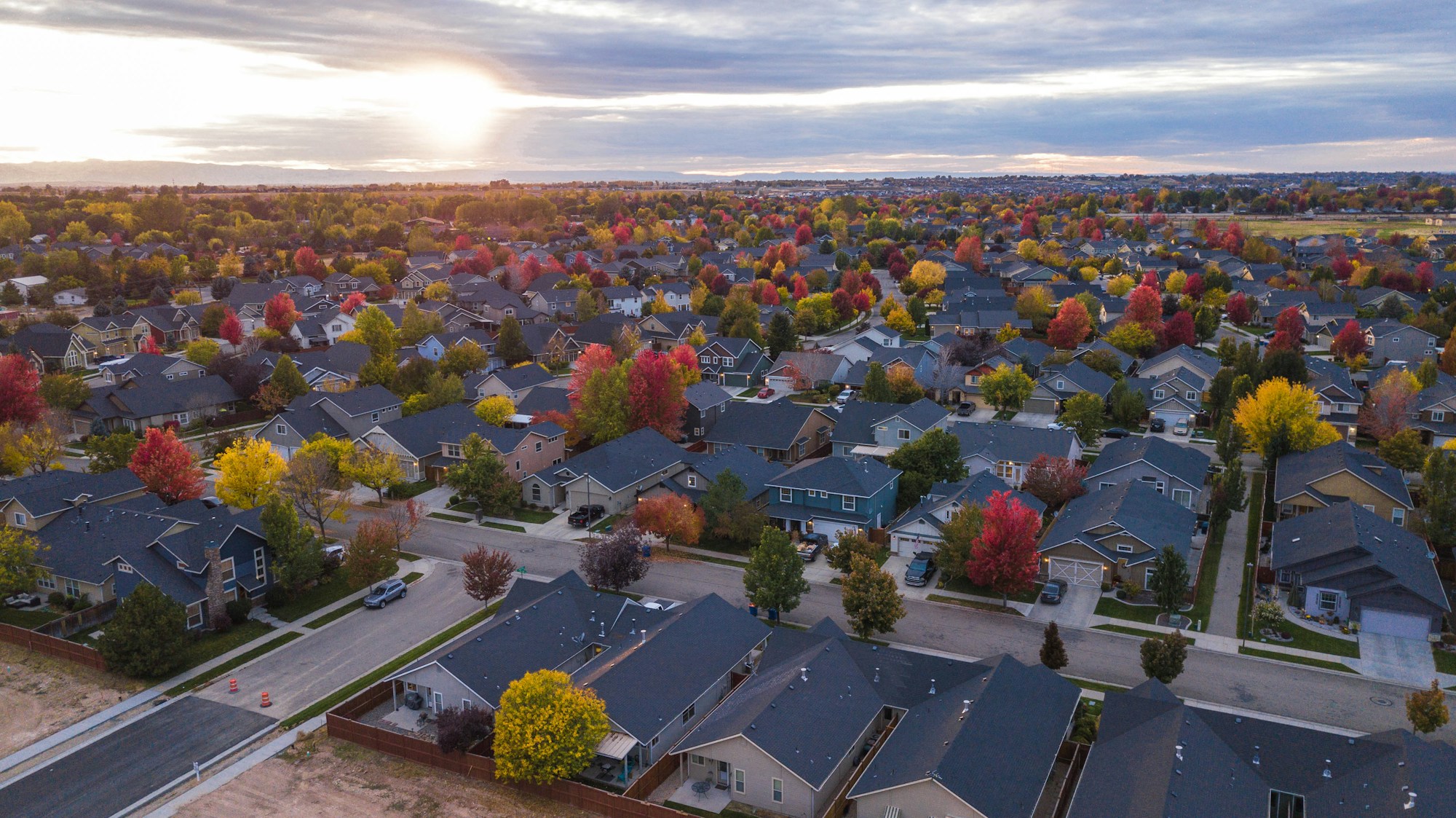
Beyond downtown, Lebanon opens into a mix of historic neighborhoods (early-20th-century homes along West Main and the streets north of Cumberland), mid-century ranch neighborhoods, and newer subdivisions on the city's growing edges — particularly the south side toward Cedars of Lebanon State Park and the west side toward Mt. Juliet.
What you hear on a typical Lebanon day: more birds and less traffic than in Mt. Juliet, church bells on Sundays from the square's historic churches, occasional train whistles from the WeGo Star or freight lines, and local college activity around Cumberland in the fall and spring.
For buyers weighing a move, the practical implication of that square-centered layout is simple: Saturdays in Lebanon can actually happen on foot. Breakfast on the square, a Farmers Market stop, a walk to the Capitol Theatre or a browse through a local shop — all without moving the car. That's a Wilson County amenity unique to Lebanon.
The Lebanon Housing Market in 2026
Lebanon's housing market is more price-differentiated than Mt. Juliet's. The range between a turnkey new-construction home in a west-Lebanon subdivision and a historic home near the square is meaningful — Lebanon is one of the few Wilson County markets where you can buy genuine historic character, and the market recognizes that premium.
What holds true across 2026:
- Lebanon generally prices below Mt. Juliet on a price-per-square-foot basis — often reflecting the longer Nashville commute.
- Historic homes near the square carry character premiums but also carry the typical older-home cost considerations.
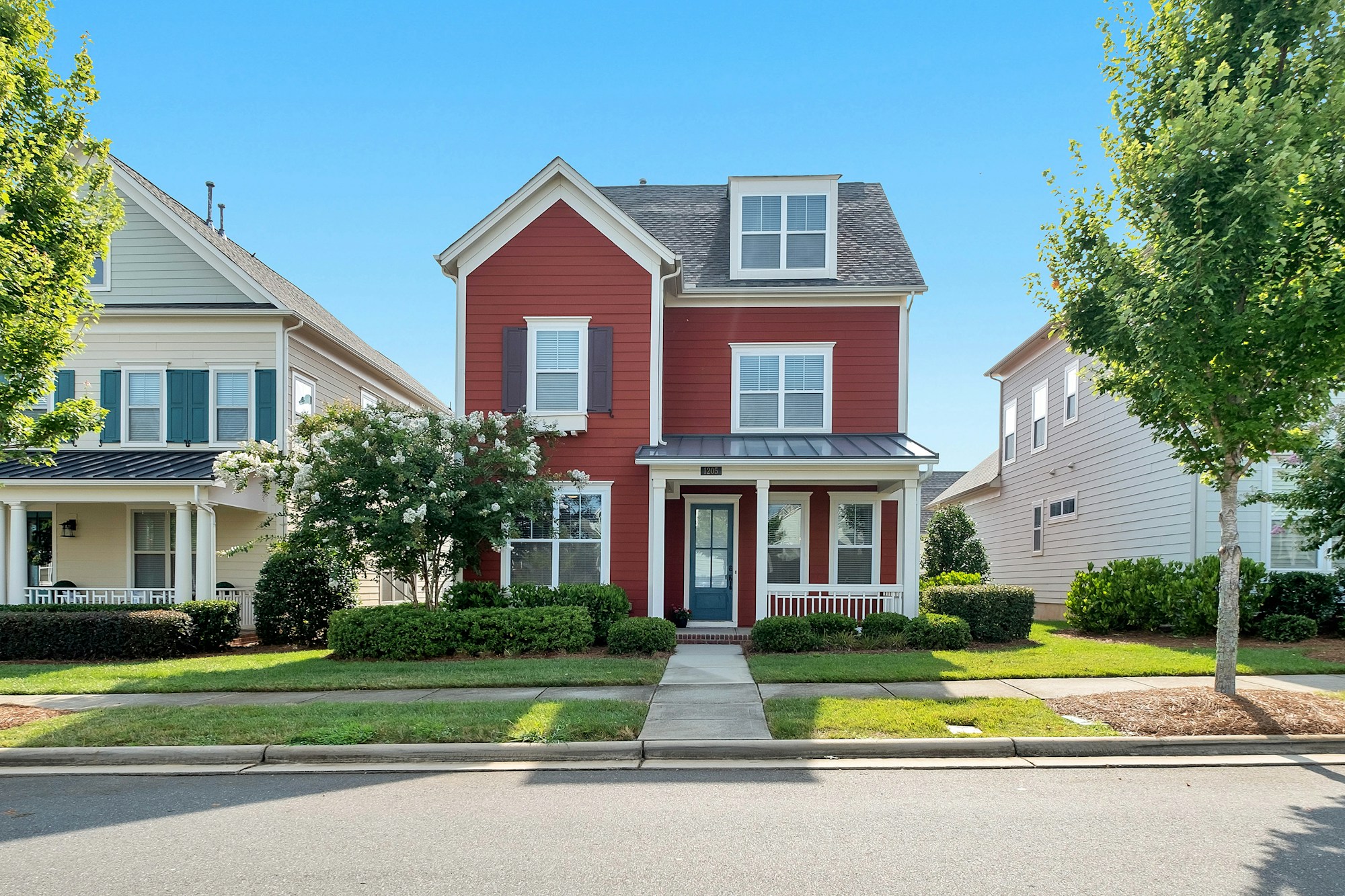
- New construction is active on the city's west and south sides, with multiple national and regional builders — Goodall Homes, Ole South, Pulte, and others.
For current month-level median sale prices, Middle Tennessee REALTORS (mtrealtors.org) and RealTracs MLS data are the definitive sources. Reach out via the about page for the current snapshot.
What's changed in 2025–2026. Lebanon's market has shifted in three visible ways. The South Hartmann commercial district continues to pull retail and service tenants outward from the square. The city's historic district expansion — a fifth historic district was designated along West Main Street in late 2021 — has tightened the preservation overlay on older homes. Inventory across price bands has generally loosened from 2021–2022 extremes, with rate buydowns and seller-paid closing costs common in the resale market.
Getting Around: Commute, Transit, Roads
Commute planning is the single biggest input when evaluating Lebanon. Drive times (Google Maps, April 2026):
| Destination | Off-peak | Peak |
|---|---|---|
| Downtown Nashville | 35–45 min | 50–70 min |
| BNA airport | 30–40 min | 40–55 min |
| Vanderbilt / West End | 40–50 min | 60–80 min |
| Mt. Juliet | 15–20 min | 20–30 min |
| Cool Springs / Franklin | 50–60 min | 60–80 min |
| Murfreesboro | 30–35 min | 35–45 min |
The WeGo Star. Lebanon is the eastern terminus of the WeGo Star commuter rail, operated by WeGo Public Transit (wegotransit.com). The Star runs weekdays between Lebanon and Nashville's Riverfront Station, with intermediate stations at Martha, Mt. Juliet, Hermitage, and Donelson. The Lebanon-to-Riverfront trip is typically about 50 minutes end to end. For commuters whose workdays match the train's schedule, the Star trades highway driving for a seated ride you can read or work during. Always verify the current schedule before relying on it.
I-40 from Lebanon. I-40 from Lebanon to Nashville passes through Mt. Juliet, and the same congestion points that affect Mt. Juliet commuters affect Lebanon commuters with an additional 10–15 minutes tacked on. US-70 (Lebanon Road) is the backup when I-40 is blocked; State Route 840 provides an alternate way around the metro for trips to Williamson County.
What's Nearby: Restaurants, Parks, Shopping
Lebanon has the widest range of locally-owned restaurants, shops, and civic amenities in Wilson County. A short list:
- The Capitol Theatre — restored historic theater on the Public Square, hosting live events and film screenings.
- Downtown Lebanon dining — independent restaurants and coffee shops clustered around the square.
- Cedars of Lebanon State Park — 900-acre state park seven miles south of the Public Square, protecting one of the largest remaining cedar-glade ecosystems in North America.
- Wilson County Fair — held annually in mid-to-late August at the James E. Ward Agricultural Center in Lebanon; historically among the largest fairs in Tennessee.
- Fiddlers Grove Historical Village — a historic village of relocated 19th-century buildings, co-located at the fair grounds.
- Don Fox Community Park — Lebanon's flagship municipal park with a lake, walking trails, and sports facilities.
- Cumberland University — private university founded in 1842, NCAA Division II athletics; campus sits adjacent to the Public Square.
Schools in Lebanon
Lebanon's school structure is unusual for Wilson County:
- Lebanon Special School District operates K-8 schools for students living within the city of Lebanon — separate from Wilson County Schools.
- Lebanon High School is part of Wilson County Schools and serves Lebanon high-schoolers for grades 9–12.
For current, factual school ratings, Niche.com (niche.com/k12/search/best-schools/c/wilson-county-tn/) and the Tennessee Department of Education Report Card (reportcard.tnedu.gov) are the definitive sources. Ratings update annually; pull the current data before making a decision. Private options near Lebanon include Friendship Christian School.
Pros and Cons of Living in Lebanon
Pros
- Historic downtown square. A real, walkable civic center — rare for the Nashville metro outside of Franklin or downtown Nashville itself.
- Price differentiation. Historic character homes and new-construction options at a range of price points.
- Cumberland University. A small private university adds cultural programming, athletic events, and a year-round college-town element.
- County services centralized here. Wilson County government, courts, and county-level services are all in Lebanon.
- Cedars of Lebanon State Park is local. A national-level natural landmark sits seven miles south — 900 acres of protected cedar glades plus a 9,420-acre surrounding state forest.
- Three full seasons of civic events: the Wilson County Fair (August), the Christmas parade, and seasonal events around the square.
- Healthcare access. Vanderbilt Wilson County Hospital is in Lebanon.
Cons:
- Longest Nashville commute among Wilson County cities. Off-peak I-40 runs roughly 35–45 minutes; peak hours routinely stretch to 50–70.
- Fewer retail amenities than Mt. Juliet. Providence Marketplace-style density doesn't exist in Lebanon — residents frequently drive to Mt. Juliet for national retailers.
- Two-district school structure can be confusing. Lebanon Special School District (K-8) is separate from Wilson County Schools (9-12).
- Older housing stock carries older-home costs. Homes near the square often need mechanical updates, older kitchens/baths, smaller closets.
- Historic-district renovation constraints. Homes inside the expanded West Main historic district carry preservation overlay rules that tighten allowable exterior changes.
Who Lebanon Tends to Attract
- Buyers prioritizing historic character or traditional downtown walkability.
- Remote or hybrid professionals who don't need a daily Nashville commute and value small-town amenities over retail density.
- Households with Cumberland University connections — students, faculty, staff, and alumni.
- Buyers wanting lower per-square-foot pricing than Mt. Juliet while staying within Wilson County and the Nashville MSA.
Lebanon is less of a fit for buyers prioritizing the shortest possible Nashville commute (Mt. Juliet wins there) or the newest housing stock.
Frequently Asked Questions
What's the population of Lebanon, TN? Lebanon's population was approximately 44,000 in the 2024 US Census update, up from 38,431 at the 2020 decennial census. Lebanon is the Wilson County seat and the most populous city in the county.
How long is the commute from Lebanon to Nashville? Approximately 30 miles; 35–45 minutes off-peak and 50–70 minutes during peak commute hours, per Google Maps data. The WeGo Star covers the Lebanon-to-Nashville Riverfront Station route in roughly 50 minutes during weekday peak service.
Is Lebanon served by Wilson County Schools? Lebanon's public K-8 students attend the Lebanon Special School District, which operates separately from Wilson County Schools. For grades 9-12, Lebanon students attend Lebanon High School, which is part of Wilson County Schools.
Is Cracker Barrel headquartered in Lebanon, TN? Yes. Cracker Barrel Old Country Store, Inc. was founded in Lebanon in 1969 and remains corporate-headquartered here.
Is Lebanon on the WeGo Star commuter rail line? Yes. Lebanon is the eastern terminus of the WeGo Star. Weekday peak-hour service runs between Lebanon and Nashville's Riverfront Station, with intermediate stations in Mt. Juliet, Martha, Hermitage, and Donelson. Verify current schedules at wegotransit.com.
What state park is closest to Lebanon? Cedars of Lebanon State Park, located seven miles south of the Public Square. It protects a 900-acre cedar-glade ecosystem and is a designated National Natural Landmark.
Does Lebanon have a historic downtown? Yes. Lebanon's Public Square, centered on the Wilson County courthouse, is the city's historic downtown and the civic heart of the county. Restaurants, the restored Capitol Theatre, Cumberland University, and Lebanon Farmers Market all sit within walking distance.
What's the ZIP code for Lebanon, TN? Lebanon's primary ZIP codes are 37087 and 37090, in area code 615.
Is Lebanon growing? Yes. Lebanon grew from 38,431 residents at the 2020 census to an estimated 44,000 in 2024 — roughly a 14 percent increase. Growth has driven south-side and west-side subdivision development, South Hartmann retail expansion, and the city's fifth historic district overlay.
A Local's Take
Lebanon is the Wilson County city most often recommended to buyers who want a town — not a collection of subdivisions. It has the thing Mt. Juliet doesn't have and can't easily manufacture: a downtown square you can walk around on a Saturday with no agenda. That matters to some buyers and not to others; the ones it matters to usually know within a visit.
The honest tradeoff for Lebanon is the commute. Thirty miles of I-40 at peak hours is a real choice, not an abstract one. If your job is a daily 8-to-5 in downtown Nashville or the West End, drive that commute at 7:30 AM on a Tuesday before signing anything. The WeGo Star softens it, but the schedule is what it is.
One specific nuance: the Lebanon Special School District / Wilson County Schools split trips up a lot of out-of-state buyers who assume school zoning follows a single district boundary. A Lebanon address inside city limits means LSSD for K-8 and Lebanon High for 9-12 — two separate districts with separate administrations, calendars, and rating structures. This isn't a Lebanon flaw; it's an artifact of Tennessee's allowance for special school districts. But it does mean school research takes twice as long here as it does in Mt. Juliet or Watertown, and it surprises people.
Lebanon rewards the kind of buyer who wants to root into a place, not just commute from it. Cedars of Lebanon State Park is twelve minutes from the Public Square. The Wilson County Fair in August is legitimately one of the best small-town events in Tennessee. Cumberland University keeps the town from feeling sleepy even when the square itself quiets down.
Want more Wilson County guides like this? Sign up for the twice-monthly newsletter — local guides, neighborhood updates, and the occasional market note.
Written by Jacob Armbrester, Real Estate Broker with Compass. Published 2026-04-18.










Jacob Armbrester
A Nashville native, licensed real estate broker, and your go-to guide for all things Middle Tennessee. I’m here to help you uncover the perfect neighborhood, understand the market, and move confidently. From relocation tips to hidden local gems, I’ve got your back.

Jacob Armbrester is a real estate agent affiliated with compass, a licensed real estate broker and abides by equal housing opportunity laws. all material presented herein is intended for informational purposes only...

.png)


.png)
Contact Us

Jacob Armbrester is a real estate agent affiliated with compass, a licensed real estate broker and abides by equal housing opportunity laws. all material presented herein is intended for informational purposes only. information is compiled from sources deemed reliable but is subject to errors, omissions, changes in price, condition, sale, or withdrawal without notice. no statement is made as to accuracy of any description. all measurements and square footages are approximate. this is not intended to solicit property already listed. nothing herein shall be construed as legal, accounting or other professional advice outside the realm of real estate brokerage.