Living in Mt. Juliet, Tennessee: A 2026 Neighborhood Guide
Mt. Juliet sits 18 miles east of downtown Nashville at the western edge of Wilson County, and over the past decade it has grown faster than nearly any other Middle Tennessee suburb. The city had an estimated population of about 41,000 in the 2024 US Census release, up from 39,006 at the 2020 decennial count — and the growth is visible in every direction: new rooftops, new schools, new retail corridors. For anyone considering a move into the Nashville metro, Mt. Juliet is usually on the short list alongside Hendersonville, Franklin, and Murfreesboro.
This guide is the detailed version of what a Mt. Juliet resident would tell a friend thinking about moving here — what the commute really looks like, how the market is behaving, what the town physically feels like, and the honest tradeoffs of choosing Mt. Juliet over the alternatives.


Pros of Living in Mt. Juliet
Proximity to Nashville. 17 miles on I-40 puts downtown Nashville roughly 25 minutes away outside rush hour, per Tennessee Department of Transportation mapping. Mt. Juliet Station is also a weekday stop on the WeGo Star commuter rail.
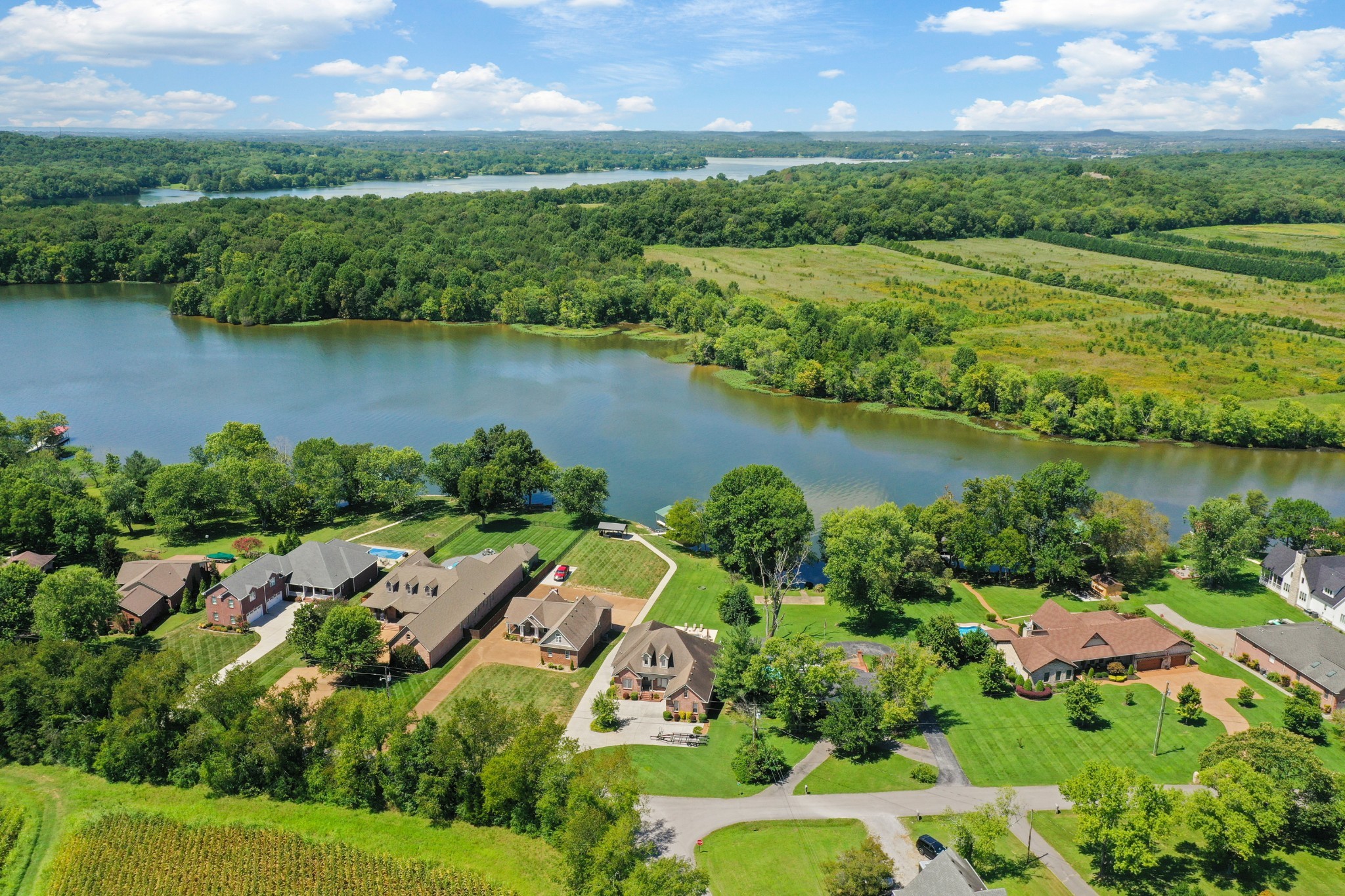
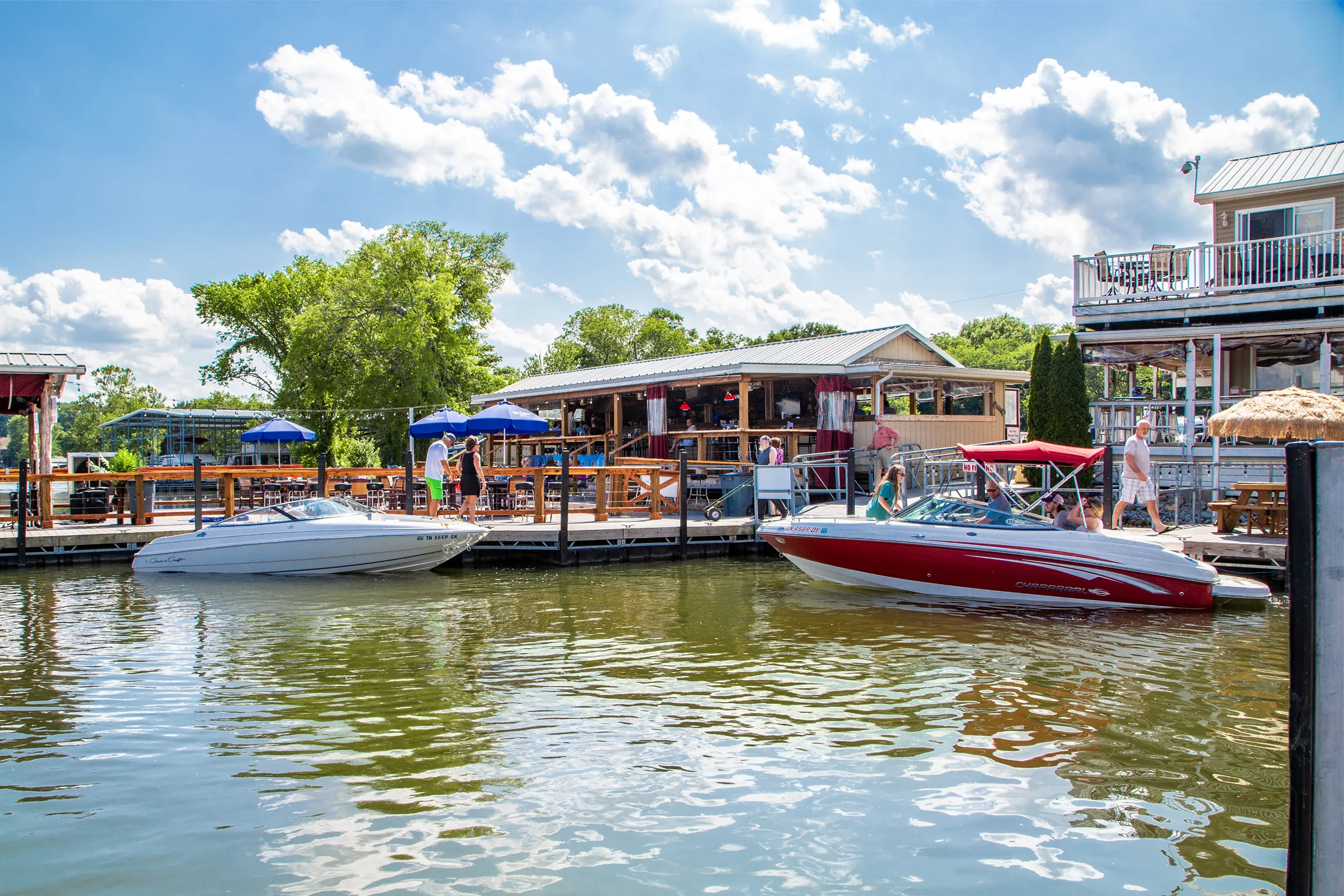
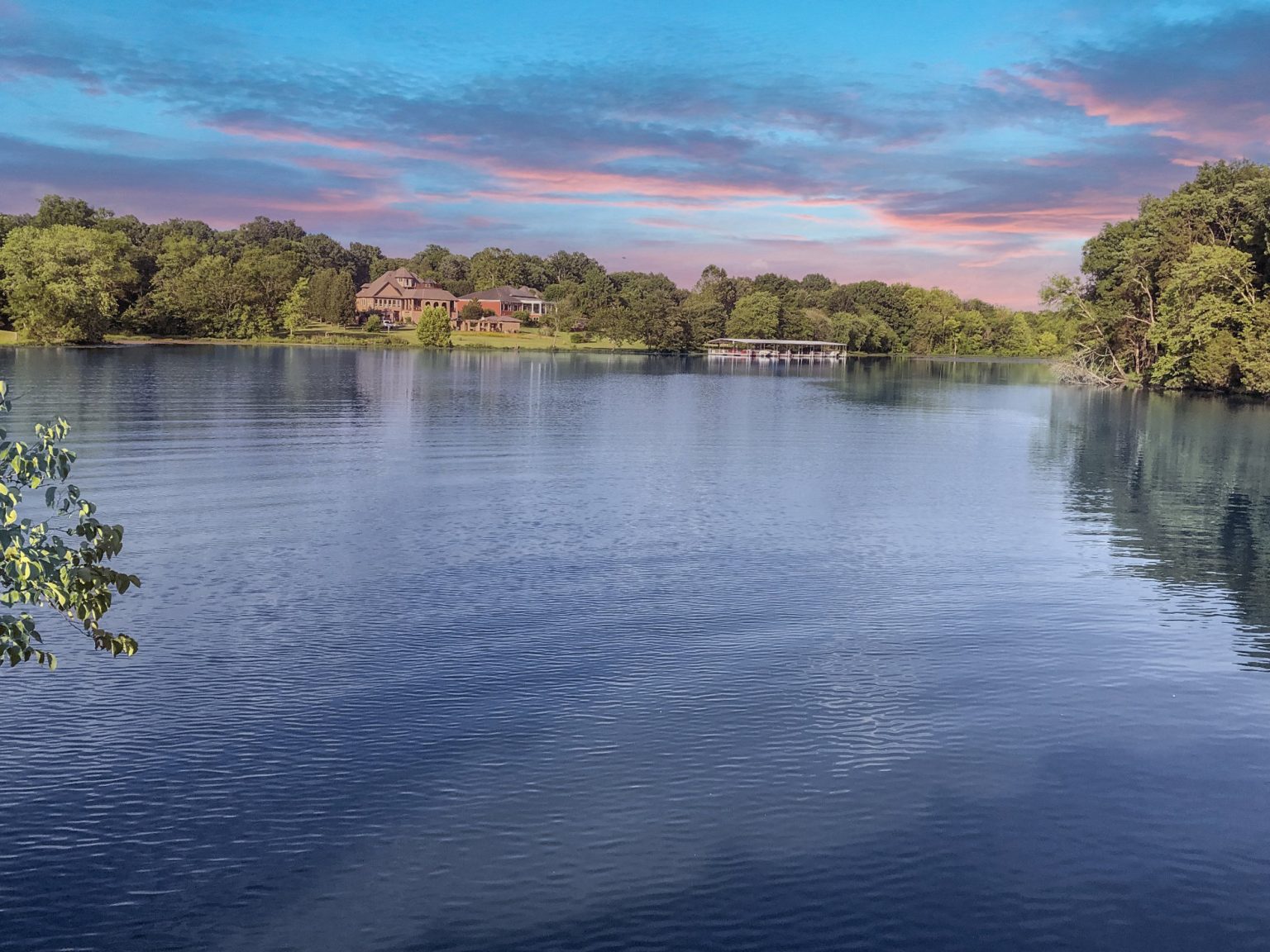
Two-lake access. Old Hickory Lake and Percy Priest Lake sit on opposite sides of the city. Marinas, boat ramps, fishing access, and lakefront parks are within a 10-minute drive from most addresses.
Providence Marketplace. The 103-acre open-air retail center — per the City of Mt. Juliet, the largest between Nashville and Knoxville — keeps most daily shopping inside city limits.
Commuter rail. Mt. Juliet is one of six stops on the WeGo Star, Tennessee's only commuter rail. Weekday service to Nashville Riverfront Station runs about 30 minutes one-way.
Tax profile. Tennessee has no state income tax. Mt. Juliet also maintains one of the lowest municipal property tax rates in the state, per City of Mt. Juliet budget documents. Major local employers include Amazon and Under Armour distribution.
Cons of Living in Mt. Juliet
Peak-hour traffic. I-40 and Mt. Juliet Road congest during morning and evening commutes. Road capacity has lagged growth; TDOT projects are ongoing.
Car-dependent. Niche.com rates Mt. Juliet 1/10 for walkability (2025 data). Outside a handful of subdivisions and greenway segments, daily errands require driving.
Limited late-night scene. Nightlife is centered in Nashville. In-city evening options skew toward casual dining, brewpubs, and community events.
Home-price run-up. Wilson County's 2025 median single-family sale price ranged roughly $525K–$575K depending on source and month, per Redfin and Realtor.com monthly pulls. New construction dominates the supply.
School capacity planning. Wilson County Schools opened Green Hill High School in 2020 partly to relieve Mt. Juliet High. Enrollment growth and rezonings remain a recurring topic at the district level.

Walkability, Vibe & Lifestyle
Mt. Juliet is car-first by design. Niche.com rates the city 1/10 for walkability in its 2025 data. Most neighborhoods are planned subdivisions rather than dense grids — sidewalks exist within developments but not consistently between them. If your ideal is walking out the door for coffee and a dry cleaner, this isn't that city.
What Mt. Juliet does offer is a robust park and greenway network. The Cedar Creek Greenway connects Charlie Daniels Park toward Cedar Creek Recreation Area on Old Hickory Lake — a paved, multi-use path used for walking, running, and cycling. Charlie Daniels Park itself is 84 acres, per City Parks & Recreation, and includes the Mt. Juliet Community Center, a dog park, an outdoor amphitheater used for the Movies in the Park series, and tennis and pickleball courts.
The overall rhythm leans suburban-outdoor: lake weekends, youth sports, brewery patios, and a chain-plus-local dining mix. The Encore Theatre Company runs community theater productions. The Mt. Juliet Christmas Parade, the Fourth of July fireworks, and the Wilson County Fair in nearby Lebanon anchor the annual calendar.
If you want density and walkable cafés, look at downtown Franklin, downtown Nashville, or East Nashville. Mt. Juliet is a different trade — more space, more water, more driving.
Mt. Juliet Fact Sheet
- Population: 40,289 (City of Mt. Juliet 2024 special census)
- Incorporated: 1972
- Median home sale price (Wilson County, 2025): ~$525K–$575K (Redfin, Realtor.com)
- Distance to downtown Nashville: 17 miles via I-40
- Train commute: WeGo Star, Mt. Juliet Station to Riverfront Station, weekdays, ~30 minutes
- School district: Wilson County Schools
- Nearest hospital: Vanderbilt Wilson County Hospital (Lebanon) and TriStar Summit (Hermitage)
- Nearest airport: Nashville International (BNA), ~25 minutes
- Major employers: Amazon (distribution), Under Armour (distribution), Providence Marketplace retail
- Lakes: Old Hickory Lake (north), J. Percy Priest Lake (south)
Mt. Juliet sits 18 miles east of downtown Nashville at the western edge of Wilson County, and over the past decade it has grown faster than nearly any other Middle Tennessee suburb. The city had an estimated population of about 41,000 in the 2024 US Census release, up from 39,006 at the 2020 decennial count — and the growth is visible in every direction: new rooftops, new schools, new retail corridors. For anyone considering a move into the Nashville metro, Mt. Juliet is usually on the short list alongside Hendersonville, Franklin, and Murfreesboro.
This guide is the detailed version of what a Mt. Juliet resident would tell a friend thinking about moving here — what the commute really looks like, how the market is behaving, what the town physically feels like, and the honest tradeoffs of choosing Mt. Juliet over the alternatives.
Table of Contents
- Where Mt. Juliet Is and Why It Matters
- What Mt. Juliet Feels Like Day to Day
- The Mt. Juliet Housing Market in 2026
- Getting Around: Commute, Transit, Roads
- What's Nearby: Restaurants, Parks, Shopping
- Schools in Mt. Juliet
- Pros and Cons of Living in Mt. Juliet
- Who Mt. Juliet Tends to Attract
- Frequently Asked Questions
- A Local's Take
Where Mt. Juliet Is and Why It Matters
Mt. Juliet is the westernmost city in Wilson County, Tennessee, and shares a short border with Davidson County to the west. A small sliver of the city actually crosses into Davidson County near the Old Hickory Lake shoreline, but the city government, the majority of residents, and the primary ZIP code (37122) are all in Wilson County. That geography is the reason Mt. Juliet works as a commuter town: the city limits start where Nashville's eastern edge ends.
The city is bounded by three natural and built features that shape daily life here:
- Old Hickory Lake wraps the northwestern edge, giving the north side of Mt. Juliet lake access, marinas, and the waterfront neighborhoods along Nonaville Road.
- I-40 cuts across the middle of town on an east-west axis — both the commute artery into Nashville and the reason Mt. Juliet has become a regional retail magnet.
- The Cumberland River / Percy Priest Lake corridor sits just south, giving Mt. Juliet the unofficial nickname "City Between the Lakes."
Drive time from Mt. Juliet to downtown Nashville is roughly 25–45 minutes depending on the time of day, per Google Maps drive-time data. Peak-hour commutes on I-40 West typically run 45–60 minutes; off-peak, 22–28 minutes is more common. Nashville International Airport (BNA) is 20–25 minutes away off-peak.
Mt. Juliet is part of the Nashville–Davidson–Murfreesboro–Franklin Metropolitan Statistical Area. In practical terms, most of the regional employers, healthcare systems, and cultural anchors that matter to Mt. Juliet residents are Nashville-based — and commute planning is what makes or breaks the decision to live here.
What Mt. Juliet Feels Like Day to Day
Mt. Juliet doesn't have a traditional downtown square in the way Lebanon or Watertown do. The city was incorporated in 1972 and grew outward along road corridors — particularly Lebanon Road (US-70), Mt. Juliet Road (TN-171), and Central Pike — rather than around a historic center. The result is a city defined by its corridors and subdivisions rather than by a single downtown.
Providence Marketplace is the closest thing Mt. Juliet has to a civic center. The open-air retail complex sits just off I-40 at Exit 226 and anchors the town's commercial identity. Target, Lowe's, Best Buy, TJ Maxx, a multiplex movie theater, and roughly 70 other national retailers and restaurants cluster there. Most Mt. Juliet residents end up at Providence at least weekly.
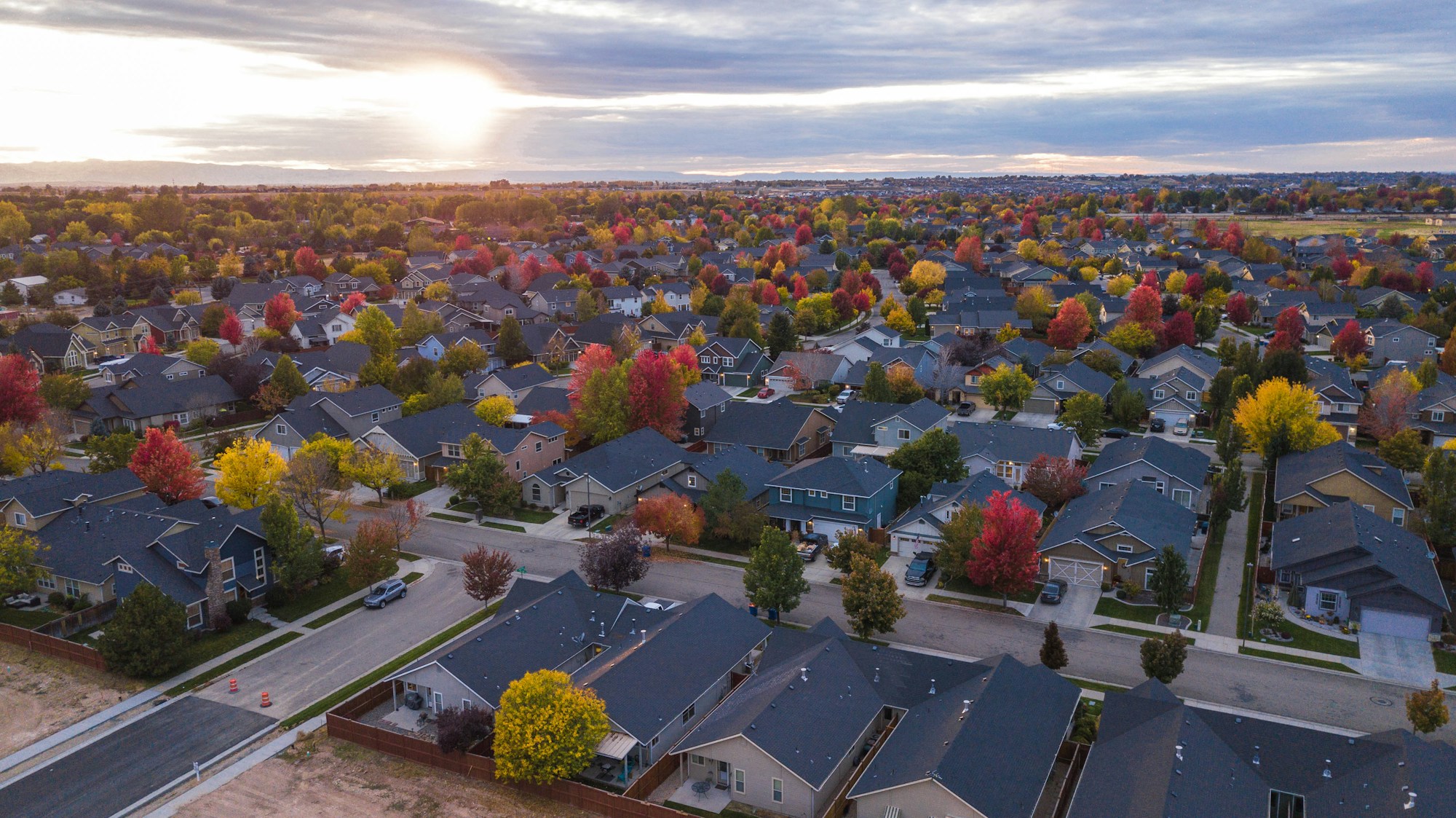
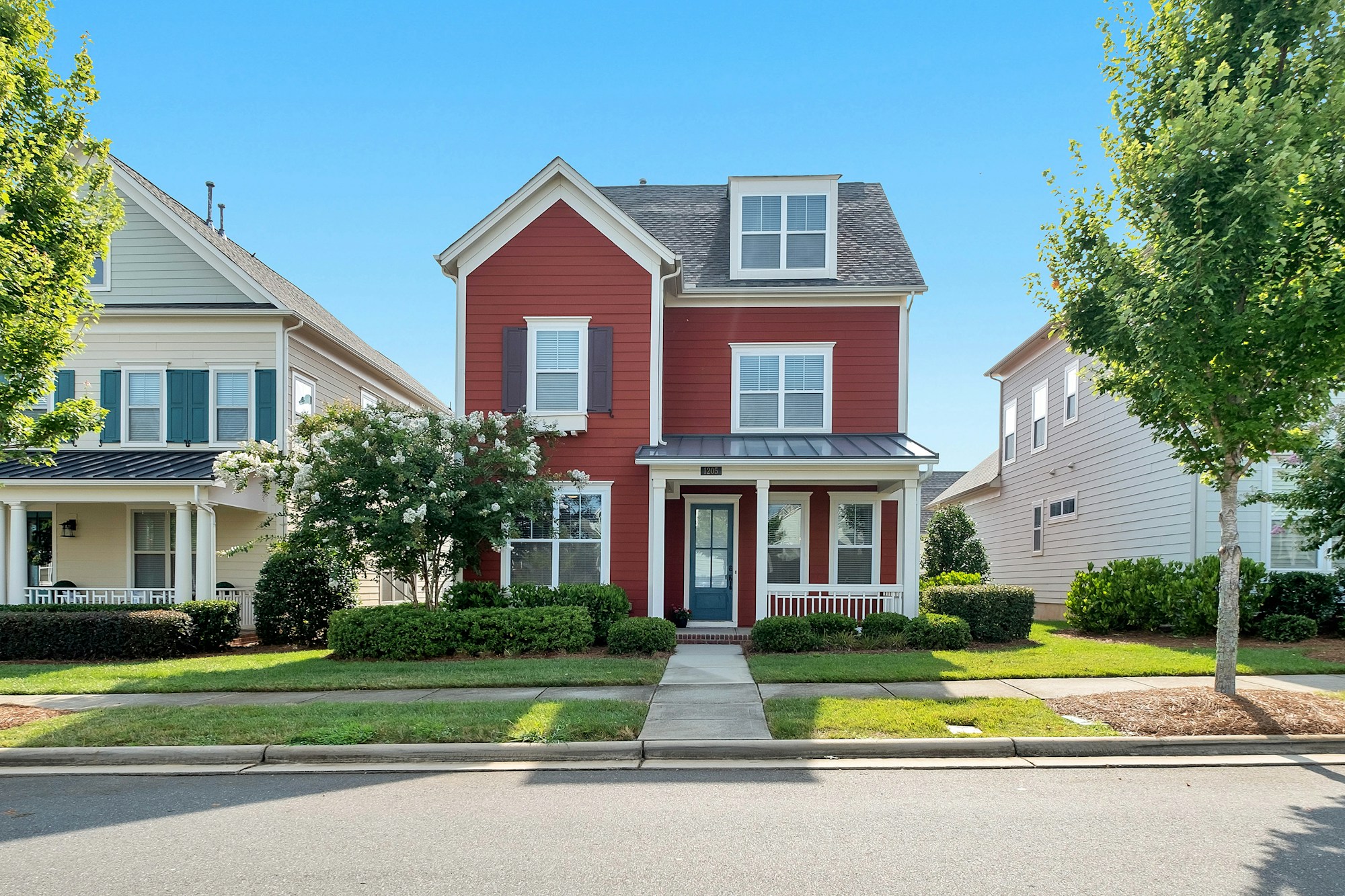
Beyond the retail corridor, Mt. Juliet is primarily residential. Subdivisions range from 1990s-era neighborhoods with mature trees off Nonaville Road to 2010s and 2020s master-planned communities like Providence, Nichols Vale, Weston Hills, and Hamilton Springs. Lot sizes vary widely — from tight-knit townhomes near Providence Marketplace to half-acre and acre-plus lots closer to Old Hickory Lake.
Day-to-day life runs on a short circuit: subdivision to Providence Marketplace, then either an I-40 commute or a remote workday. Weekends pull toward Charlie Daniels Park, Old Hickory Lake, or Nashville itself. The city has no walkable downtown — a real tradeoff — but retail density inside city limits means you rarely have to leave.
The Mt. Juliet Housing Market in 2026
Mt. Juliet has been one of the fastest-appreciating markets in Middle Tennessee over the past decade, driven by Nashville commuter demand, the WeGo Star rail station, and strong school-zoning on the Wilson County side of the metro.
As of early 2026, the market is more balanced than it was during the 2021–2022 peak. Inventory has risen from the sub-1-month lows of 2021, days-on-market has stretched, and price growth has cooled from double-digit annual appreciation to mid-single-digits.
What generally holds true across 2026: Mt. Juliet commands a premium over rural Wilson County, roughly tracks Hendersonville on a price-per-square-foot basis, and sits meaningfully below comparable Williamson County towns like Franklin or Brentwood. For the current month's median sale price, contact Jacob via the about page.
New construction activity remains heavy in Mt. Juliet. Builders like Pulte, Lennar, Goodall Homes, and Drees all have active communities in or near the city limits. New-construction inventory is often the most straightforward path for buyers coming from out of state, because the timeline is predictable and builders typically offer rate-buydown incentives that resale sellers don't.
What's changed in 2025–2026. Three shifts matter for a buyer. TDOT's planned Central Pike / I-40 diverging diamond interchange is moving through design per TDOT Region 3 documentation. Inventory rebalancing continued through 2025, with closing-cost credits and rate buydowns back on the table for many resale deals. Retail infill along Mt. Juliet Road and Lebanon Road has filled gaps that used to force a Providence Marketplace trip for every errand.
Getting Around: Commute, Transit, Roads
Commute is the single biggest practical topic for anyone evaluating Mt. Juliet. Drive times (Google Maps, April 2026):
| Destination | Off-peak | Peak |
|---|---|---|
| Downtown Nashville | 22–28 min | 45–60 min |
| BNA airport | 20–25 min | 30–35 min |
| Vanderbilt / West End | 30–35 min | 55–70 min |
| Cool Springs / Franklin | 35–40 min | 45–55 min |
| Hendersonville | 25–30 min | 35–45 min |
| Lebanon (county seat) | 15–20 min | 20–30 min |
The WeGo Star commuter train. Mt. Juliet has a WeGo Star station on the Nashville–Lebanon commuter rail line. The station sits just north of I-40 on Mt. Juliet Road and runs weekday commuter service to Nashville's Riverfront Station in approximately 30 minutes, per WeGo Transit's schedule. For residents whose workday fits the train's commuter-peak schedule, the Star is genuinely useful — you avoid I-40 at its worst and can work or read during the ride. Always verify the current schedule on wegotransit.com.
The I-40 reality. I-40 between Mt. Juliet and downtown Nashville is congested during peak hours. If your job requires an 8-to-5 Nashville commute five days a week, factor peak times into every location decision. Some Mt. Juliet commuters shift to 7 AM or 9 AM departures; others use Lebanon Road (US-70) as a backup route when I-40 locks up.
What's Nearby: Restaurants, Parks, Shopping
- Providence Marketplace — the city's primary shopping and dining district, roughly 70 stores and restaurants anchored by Target and Lowe's.
- Charlie Daniels Park — Mt. Juliet's flagship municipal park, with a walking trail, playgrounds, baseball fields, a splash pad, and one of the most popular Fourth of July celebrations in Wilson County.
- Cedar Creek Greenway — a paved greenway trail running along Cedar Creek, connecting to Old Hickory Lake.
- Old Hickory Lake access — boat ramps, marinas, and waterfront parks on the Wilson County side of the lake's eastern shore.
- Downtown Mt. Juliet dining — steadily growing; local breweries, independent restaurants, and coffee shops clustered along Mt. Juliet Road and Lebanon Road.
Schools in Mt. Juliet
Mt. Juliet is served primarily by Wilson County Schools. Schools within the city limits include Mt. Juliet High School, Green Hill High School (opened 2020), and multiple elementary and middle schools. For current, factual school ratings, Niche.com (niche.com/k12/search/best-schools/c/wilson-county-tn/) and the Tennessee Department of Education Report Card (reportcard.tnedu.gov) are the definitive sources. Ratings change year-to-year — pull current data before making a decision. Private options include Mt. Juliet Christian Academy and Providence Christian Academy.
Pros and Cons of Living in Mt. Juliet
Pros:
- Commute optionality. Between I-40 and the WeGo Star, Mt. Juliet gives Nashville commuters more than one way into the city.
- Retail and service density. Providence Marketplace and the surrounding corridor mean most errands can be done locally.
- New-construction supply. Consistent new inventory from Pulte, Lennar, Goodall Homes, Drees, and others.
- Lake access on the western edge. Old Hickory Lake shoreline on the north side of the city — rare for a non-waterfront-branded suburb.
- Wilson County Schools zoning. Separate from Davidson County's Metro Nashville Public Schools.
- Airport proximity. BNA is 20–25 minutes off-peak — the shortest airport drive of any Wilson County city.
Cons:
- I-40 congestion is real. Peak-hour westbound commutes regularly run 45–60 minutes.
- Road infrastructure catching up to growth. Mt. Juliet Road, Lebanon Road, and Central Pike all see ongoing construction.
- No historic character downtown. Lebanon or Watertown for older housing stock or a walkable square.
- City tax layering. Mt. Juliet residents pay both Wilson County property tax and the city's municipal rate. See the Wilson County property taxes guide.
Who Mt. Juliet Tends to Attract
- Nashville-commuting households looking for new or newer construction at a lower price point than comparable Williamson County towns.
- Households prioritizing water access who want Old Hickory Lake proximity without paying for direct Davidson County waterfront.
- Buyers relocating from out of state who want turnkey new construction and straightforward transit options.
- Remote or hybrid professionals who don't need to be on I-40 daily but want Nashville access for when they do.
Frequently Asked Questions
Is Mt. Juliet in Wilson County or Davidson County? Mt. Juliet is primarily in Wilson County. A small portion of the western edge extends into Davidson County near Old Hickory Lake, but the city government and the majority of residents — including everyone in ZIP code 37122 — are in Wilson County.
How long is the commute from Mt. Juliet to downtown Nashville? Approximately 18 miles; 22–28 minutes off-peak and 45–60 minutes during peak commuter hours, per Google Maps data. The WeGo Star commuter train runs roughly 30 minutes from the Mt. Juliet station to Nashville's Riverfront Station during weekday peak service.
What school district serves Mt. Juliet? Wilson County Schools. The city has two main public high schools (Mt. Juliet High and Green Hill High, which opened in 2020), plus multiple elementary and middle schools.
Is there a commuter train from Mt. Juliet to Nashville? Yes. The WeGo Star commuter rail operates weekdays between Lebanon and Nashville's Riverfront Station with a Mt. Juliet station in between. The trip is approximately 30 minutes. Always verify the current schedule at wegotransit.com.
What's the main shopping area in Mt. Juliet? Providence Marketplace, just off I-40 at Exit 226, with roughly 70 retailers and restaurants anchored by Target and Lowe's.
Is Mt. Juliet on Old Hickory Lake? Yes, on the lake's eastern shore. Mt. Juliet has boat ramps, marinas, and lakefront neighborhoods along the north side of the city, particularly off Nonaville Road.
What's the ZIP code for Mt. Juliet, TN? Mt. Juliet's primary ZIP is 37122, in area code 615.
Is Mt. Juliet growing? Yes. Mt. Juliet grew from 39,006 residents in 2020 to an estimated 41,000 in 2024 — among the faster-growing Middle Tennessee suburbs per Census Bureau estimates.
A Local's Take
Most people moving to Mt. Juliet are doing one of three things: coming from out of state and picking the Middle Tennessee town with the best commute-to-price ratio, moving out of Nashville proper for more space, or rotating through the Wilson County towns and landing on Mt. Juliet because the amenity density is the highest.
The honest version of Mt. Juliet is that the city is still growing into its bones. Roads are catching up to rooftops. New schools are opening on a rolling basis to track enrollment. Commercial corridors are denser every year. That growth is the feature for some buyers and the frustration for others.
The one piece I always press on: drive the I-40 commute at the actual time you'd be doing it, not mid-day. It's the single decision input that makes or breaks whether Mt. Juliet works for your life. Everything else — market, schools, amenities, lake access — is documented and verifiable. The commute is only knowable by driving it.
Want more Wilson County guides like this? Sign up for the twice-monthly newsletter — local guides, neighborhood updates, and the occasional market note.
Written by Jacob Armbrester, Real Estate Broker with Compass. Published 2026-04-18.












Jacob Armbrester
A Nashville native, licensed real estate broker, and your go-to guide for all things Middle Tennessee. I’m here to help you uncover the perfect neighborhood, understand the market, and move confidently. From relocation tips to hidden local gems, I’ve got your back.

Jacob Armbrester is a real estate agent affiliated with compass, a licensed real estate broker and abides by equal housing opportunity laws. all material presented herein is intended for informational purposes only...

.png)


.png)
Contact Us

Jacob Armbrester is a real estate agent affiliated with compass, a licensed real estate broker and abides by equal housing opportunity laws. all material presented herein is intended for informational purposes only. information is compiled from sources deemed reliable but is subject to errors, omissions, changes in price, condition, sale, or withdrawal without notice. no statement is made as to accuracy of any description. all measurements and square footages are approximate. this is not intended to solicit property already listed. nothing herein shall be construed as legal, accounting or other professional advice outside the realm of real estate brokerage.