Farmers Markets in Wilson County, TN: A 2026 Guide
Wilson County has a growing farmers market scene, driven by both the county's agricultural heritage and its rising residential demand for locally-sourced produce, baked goods, meat, and handmade items.
Wilson County has a growing farmers market scene, driven by both the county's agricultural heritage (still active around Norene, Statesville, and the eastern farm corridor) and its rising residential demand for locally-sourced produce, baked goods, meat, and handmade items. For residents and visitors, farmers markets are one of the genuinely local, seasonal rhythms worth knowing — a way to connect with growers, sample the county's best seasonal produce, and support Wilson County's small-scale agriculture.
This guide covers what farmers markets operate in Wilson County as of 2026, when they run, and how to plan a market visit.
Table of Contents
- The Short Answer
- Lebanon Farmers Market
- Mt. Juliet Farmers Market
- Watertown and Eastern Wilson County
- Seasonal and Occasional Markets
- What to Expect at a Wilson County Farmers Market
- Best Times to Shop
- Practical Tips
- Frequently Asked Questions
- A Local's Take
The Short Answer
Wilson County's main farmers markets operate seasonally — typically late spring through fall — with the Lebanon Farmers Market and the Mt. Juliet Farmers Market serving as the primary options for most residents. Smaller occasional markets and pop-up events supplement these.
For current schedules, verify with the City of Lebanon (lebanontn.org), City of Mt. Juliet (cityofmtjuliet.org), or the markets' social media pages.
Lebanon Farmers Market
The Lebanon Farmers Market is the county's longest-running farmers market tradition and the anchor of the Wilson County local-food scene. It typically operates:
- Seasonally — generally late spring (May) through fall (October)
- Weekly — Saturday mornings are the reliable day
- Location — in or near downtown Lebanon, historically at a Public Square-adjacent location
Typical offerings:
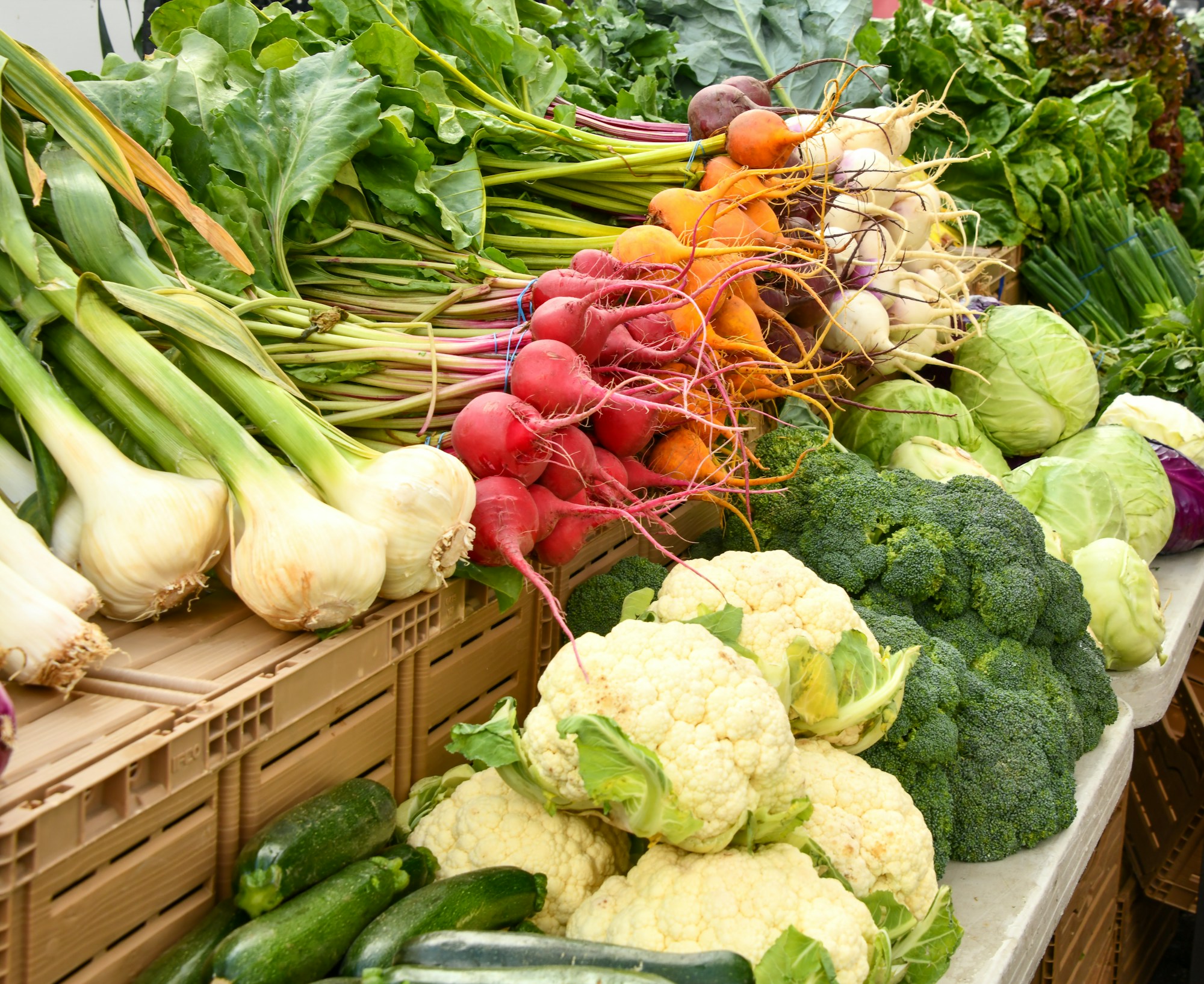
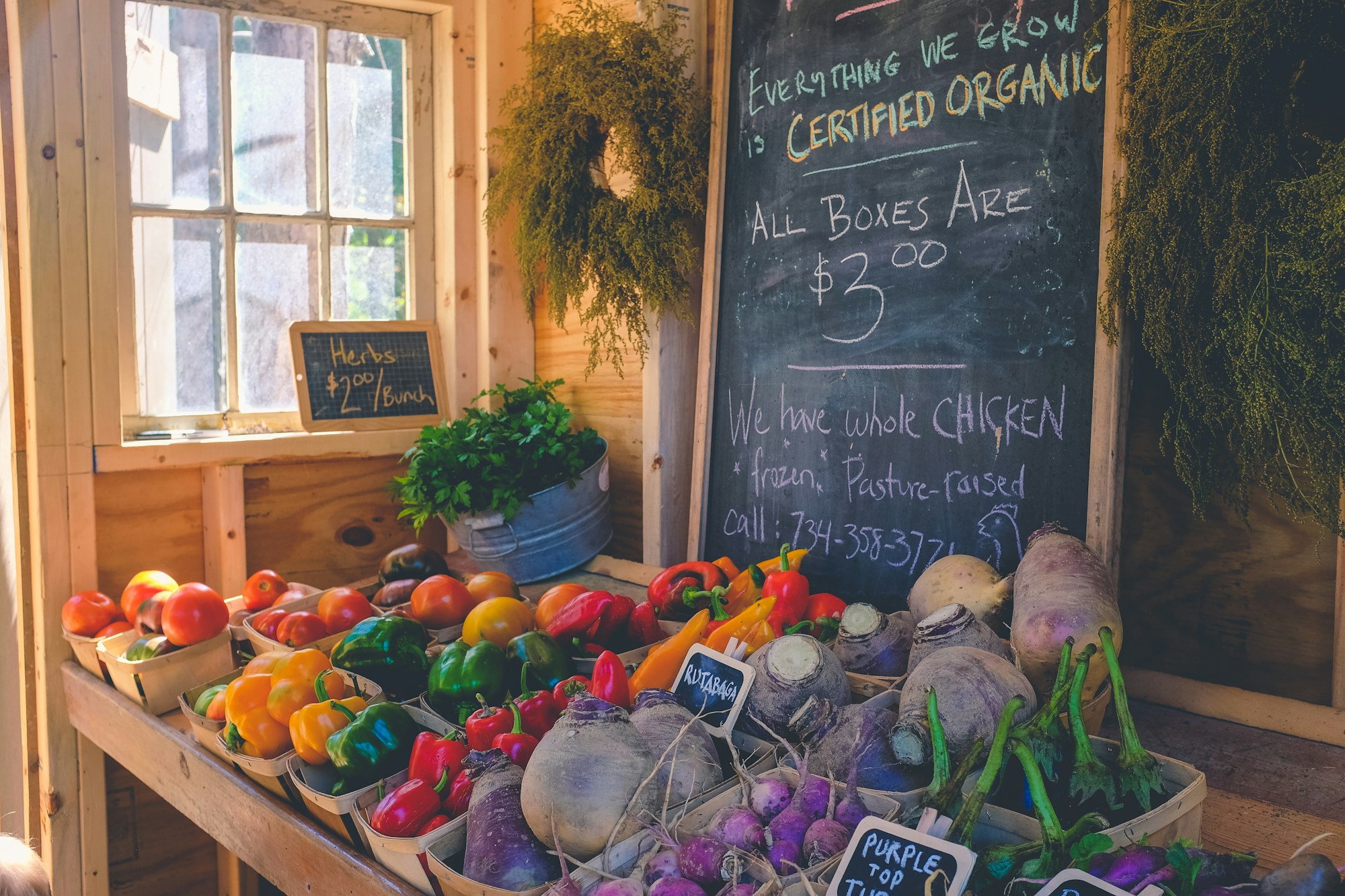
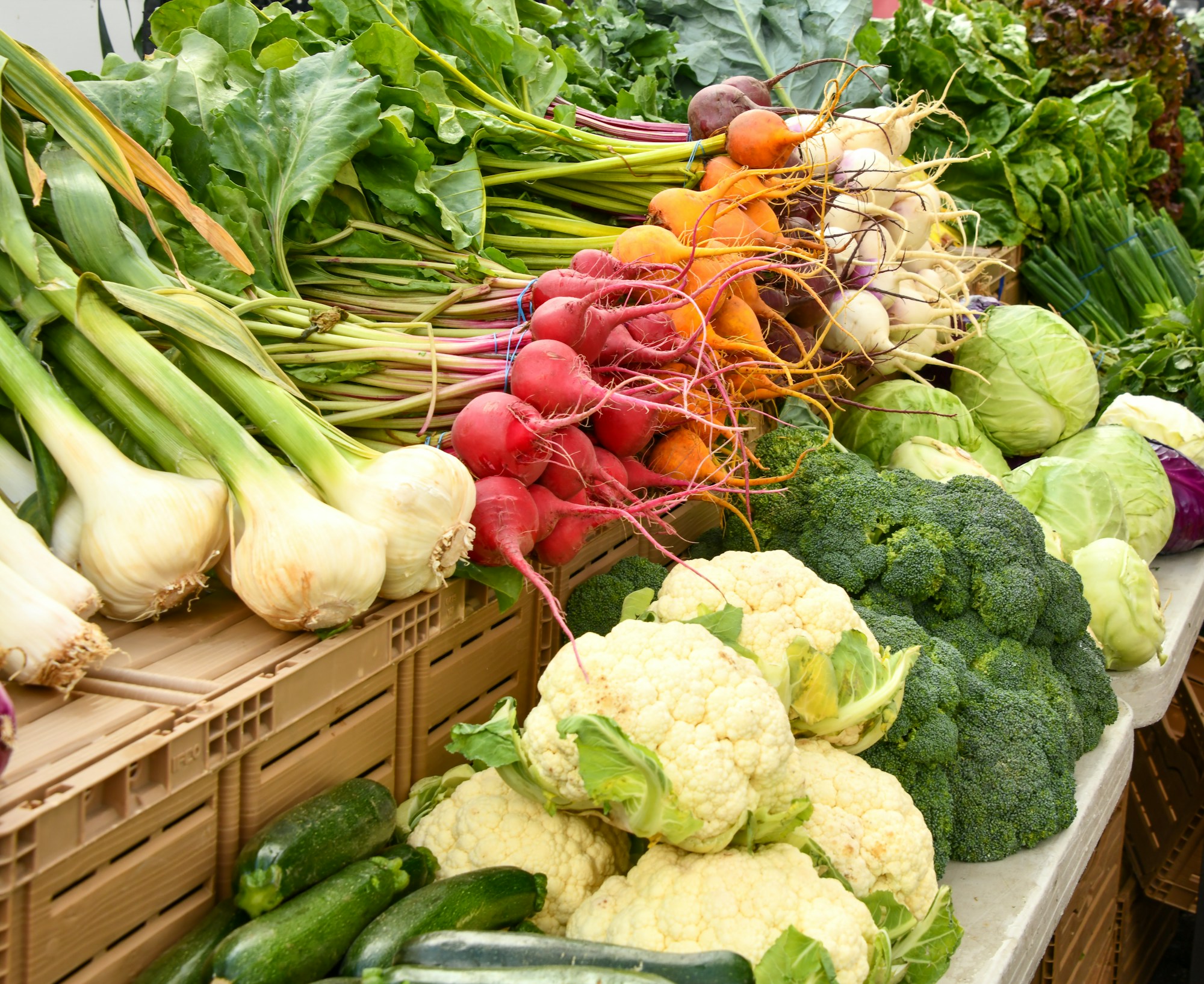
- Seasonal fresh produce from Wilson County and regional growers — heirloom tomatoes, peppers, corn, squash, greens, peaches, berries, melons, and apples in rotation
- Baked goods — artisan breads, pastries, cookies, and seasonal pies from local bakers
- Pastured meat and eggs from Wilson County and Middle Tennessee farms
- Cheese and dairy from regional producers
- Cut flowers, annual starts, herb plants, and ornamentals
- Jams, jellies, preserves, local honey, and canned goods
- Crafts and handmade items from area makers
- Seasonal specialties — pumpkins and gourds in October; spring plant sales in May
The market draws vendors from across Wilson County's eastern farm corridor (Norene, Statesville, rural Lebanon) as well as the broader Middle Tennessee farm network. Verify current schedule at the City of Lebanon (lebanontn.org) or the market's Facebook page before visiting — the opening weekend and closing weekend shift by 1–2 weeks year to year.
Mt. Juliet Farmers Market
The Mt. Juliet Farmers Market serves the western Wilson County population and typically operates seasonally (spring through fall), often on Saturday mornings. Because Mt. Juliet's residential base has grown faster than most of Wilson County over the past decade, the market often skews toward a younger and more suburban crowd than Lebanon's, which shows up in the vendor mix (more prepared foods and specialty items).
For current details (location, hours, vendor list), check the City of Mt. Juliet (cityofmtjuliet.org) or the market's Facebook page. The Mt. Juliet Chamber of Commerce (mtjulietchamber.com) is a secondary source that often reposts market updates during peak season.
Watertown and Eastern Wilson County
Beyond the two main weekly markets, Watertown has hosted seasonal and pop-up market activity on its historic Public Square in recent years. Because Watertown's population (approximately 1,500) is a small fraction of Lebanon's or Mt. Juliet's, its market rhythm is lighter and more event-driven than the weekly city markets. Verify current schedule at watertowntn.com before planning a trip.
Eastern Wilson County's rural corridor — the Norene, Statesville, and Gladeville areas — is where many of the actual growers who sell at Lebanon and Mt. Juliet are based. Visitors interested in buying directly from farms can use Pick Tennessee Products (picktnproducts.org), the Tennessee Department of Agriculture's agritourism and direct-to-consumer directory, which lists Wilson County growers by category (u-pick, farm stands, Christmas trees, meats, dairy).
Seasonal and Occasional Markets
Beyond the two main weekly markets, Wilson County sees various pop-up, seasonal, and specialty markets during the year:
- Fall pumpkin patches and harvest markets — typically at rural Wilson County farms; peak October
- Holiday markets — around Thanksgiving and the Christmas season
- Spring plant sales — Cumberland University, local garden clubs, and farm operations
- Christmas tree farms — several rural Wilson County farms offer choose-and-cut Christmas tree operations
- Strawberry and blueberry u-pick operations — on local farms, typically late spring and early summer
What to Expect at a Wilson County Farmers Market
Scale. Wilson County farmers markets are smaller-scale than Nashville's urban markets (the Nashville Farmers Market at Bicentennial Park). Typically 15–40 vendors at peak season, fewer during shoulder seasons.
Produce quality. Seasonal and fresh, often picked within 24 hours of market. Specific varieties available shift week-to-week with the growing season.
Prices. Generally comparable to grocery stores for comparable produce, sometimes higher for premium or specialty items, sometimes lower at volume. Most vendors accept both cash and card.
Atmosphere. Family-friendly, community-oriented. Regular customers build relationships with specific growers over seasons.
Best Times to Shop
Peak produce season. June through September is the peak for Wilson County farmers market produce. Tomatoes, corn, squash, peppers, melons, okra, and summer berries peak in this window.
Early-morning vs. late-morning. Early shoppers (market open to ~10 AM) get the best selection of premium items. Late shoppers (last hour before close) sometimes get end-of-day discounts from vendors wanting to move perishables.
Practical Tips
- Bring cash. While most vendors accept cards, cash speeds transactions and helps smaller vendors.
- Bring reusable bags. A few sturdy canvas or market bags make the experience easier.
- Dress for weather. Outdoor markets; bring sun protection in summer.
- Check hours in advance. Seasonal schedule changes happen.
- Plan meals around the market. Build a week's meal plan around what's at peak at the market.
- Build grower relationships. Regular attendance lets you know which growers consistently have the best tomatoes, the best bread, etc.
Frequently Asked Questions
Are there farmers markets in Wilson County, TN? Yes. The Lebanon Farmers Market and the Mt. Juliet Farmers Market are the two primary weekly markets, both operating seasonally from approximately late spring through fall.
When is the Lebanon Farmers Market? Typically Saturday mornings, seasonally from May through October. Verify current schedule with the City of Lebanon or the market's social media before visiting.
When is the Mt. Juliet Farmers Market? Typically Saturday mornings, seasonally in warmer months. Verify current schedule with the City of Mt. Juliet or market social media.
Do Wilson County farmers markets accept SNAP/EBT? Some vendors and markets participate in SNAP/EBT programs. Verify with the specific market before relying on this.
Can I buy directly from Wilson County farms? Yes. Pick Tennessee Products (picktnproducts.org), run by the Tennessee Department of Agriculture, lists Wilson County farms offering u-pick operations, farm stands, pastured meats, dairy, eggs, and Christmas trees.
What's the best month to visit a Wilson County farmers market? July is the single best month for peak produce variety — tomatoes, corn, peppers, squash, okra, melons, and early peaches all overlap. October is the best for fall produce and pumpkins. If you can only go once a season, pick a Saturday in mid-July.
Where's the closest year-round farmers market? The Nashville Farmers Market at Bicentennial Park operates year-round and is approximately 25–45 minutes from most Wilson County locations.
A Local's Take
Wilson County's farmers markets are one of the places where the county's rural heritage and its suburban residential growth meet in a productive way. Local growers from the eastern county and surrounding regional farms bring genuinely seasonal produce to Lebanon and Mt. Juliet residents who might otherwise only know grocery-store freshness.
The practical tip for newcomers: go once during peak season (June–September) and figure out what you actually eat. Farmers markets reward habit — building relationships with a few consistent growers and learning which week is peak for which vegetable is how you get the most out of the experience. A single visit in July is fun; ten visits over a summer is how you actually eat differently.
For long-term Wilson County residents, the markets are one of the small local institutions worth supporting. The scale is modest, but the growers depend on regular Saturday mornings.
Pair Your Market Trip
- Downtown Lebanon Dining — natural post-market lunch options a block from the Lebanon market location
- Living in Lebanon — a broker's view of the Lebanon neighborhoods closest to the Public Square market
- Living in Mt. Juliet — what it's like to live in Mt. Juliet
- Rural Wilson County guide — where many of the actual growers at these markets are farming
Want more Wilson County guides like this? Sign up for the twice-monthly newsletter — local guides, neighborhood updates, and the occasional market note.
Written by Jacob Armbrester, Real Estate Broker with Compass. Published 2026-04-18. Last updated 2026-04-18.




Jacob Armbrester
A Nashville native, licensed real estate broker, and your go-to guide for all things Middle Tennessee. I’m here to help you uncover the perfect neighborhood, understand the market, and move confidently. From relocation tips to hidden local gems, I’ve got your back.

Jacob Armbrester is a real estate agent affiliated with compass, a licensed real estate broker and abides by equal housing opportunity laws. all material presented herein is intended for informational purposes only...

.png)


.png)
Contact Us

Jacob Armbrester is a real estate agent affiliated with compass, a licensed real estate broker and abides by equal housing opportunity laws. all material presented herein is intended for informational purposes only. information is compiled from sources deemed reliable but is subject to errors, omissions, changes in price, condition, sale, or withdrawal without notice. no statement is made as to accuracy of any description. all measurements and square footages are approximate. this is not intended to solicit property already listed. nothing herein shall be construed as legal, accounting or other professional advice outside the realm of real estate brokerage.