Wilson County Neighborhoods With a Real 30-Minute Nashville Commute
If you're researching 30 minute nashville commute wilson county, you've probably already noticed that "30 minutes" gets thrown around loosely. Builders' marketing materials say it, Zillow tags say it, and relocator articles repeat it without distinguishing between off-peak best-case drives and the actual 8 AM Tuesday reality. This guide separates the two honestly and identifies which subdivisions actually deliver a 30-minute commute and which don't.


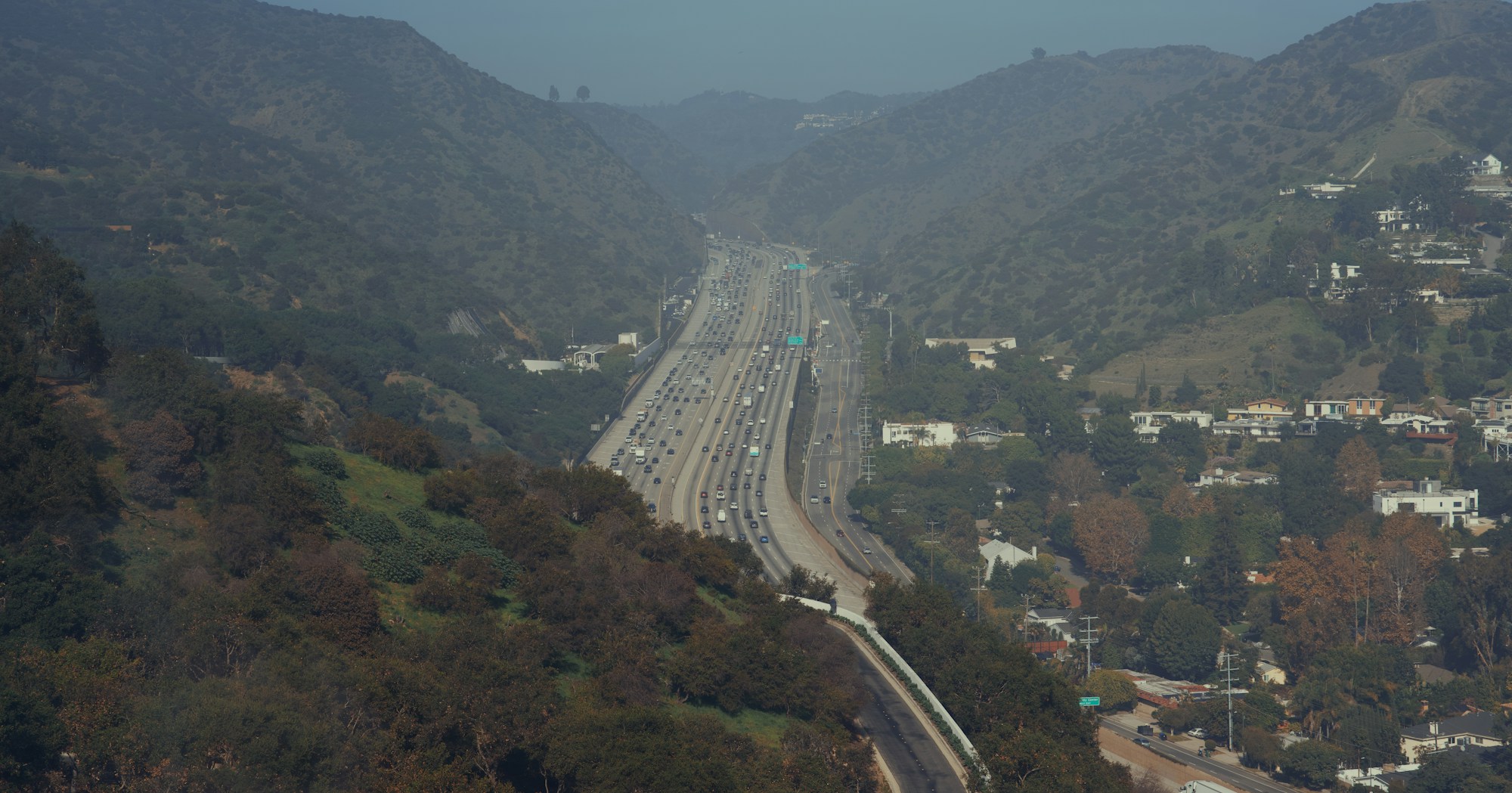


TL;DR: A real 30-minute Nashville commute from Wilson County means off-peak drive time, and it holds reliably from west and central Mt. Juliet subdivisions near I-40 Exit 226 — Willoughby Station, Catelonia, Tomlinson Pointe, Spring Hill, Hampton Hall, and many others. The 30-minute mark stretches to 35–40 minutes from east Mt. Juliet and west Lebanon, and slips to 45–70+ minutes during weekday peak hours regardless of subdivision. The WeGo Star commuter rail offers an alternative path from Mt. Juliet and Lebanon stations that bypasses I-40 traffic. Wilson County's median home price was approximately $475,000 in early 2026 per Greater Nashville REALTORS; commute-favorable Mt. Juliet inventory typically runs $475K–$900K.
If you're researching 30 minute nashville commute wilson county, you've probably already noticed that "30 minutes" gets thrown around loosely. Builders' marketing materials say it, Zillow tags say it, and relocator articles repeat it without distinguishing between off-peak best-case drives and the actual 8 AM Tuesday reality. This guide separates the two honestly and identifies which subdivisions actually deliver a 30-minute commute and which don't.
Table of Contents
- What "30-Minute Commute" Actually Means
- The Off-Peak 30-Minute Map
- The Peak-Hour Reality
- Subdivisions That Hit 30 Minutes Reliably
- Subdivisions Near the 30-Minute Boundary
- The WeGo Star Alternative
- What Affects Your Personal Commute Time
- Frequently Asked Questions
- A Local's Take
What "30-Minute Commute" Actually Means
A 30-minute Wilson County to Nashville commute means 30 minutes door-to-door from a Wilson County home to a downtown Nashville destination. The honest version of that calculation has three layers:
Off-peak best case — leaving Wilson County between 9:30 AM and 11:30 AM or between 7:30 PM and 11 PM. I-40 West runs at posted speed; the trip takes 25–30 minutes from most Mt. Juliet subdivisions and 35–45 minutes from most Lebanon subdivisions.
Standard weekday peak — leaving Wilson County between 7 AM and 9 AM, returning between 4:30 PM and 6:30 PM. I-40 West carries heavy commuter volume, and the same trip takes 45–70+ minutes. The 30-minute promise breaks down during this window regardless of subdivision.
Specific destination dependent — "downtown Nashville" varies. Mainstem destinations like the Tennessee State Capitol, the Pinnacle Building, or LP Field can be reached in 25–30 minutes off-peak from west Mt. Juliet. West End Avenue, Vanderbilt, or Music Row destinations add 5–10 minutes regardless of departure point. Cool Springs (Williamson County) destinations are 35–55 minutes off-peak from any Wilson County subdivision.
The 30-minute claim that drives most relocators' interest is the off-peak best case to mainstem downtown destinations. That claim is real and reliable from specific subdivisions; it's misleading from others.
The Off-Peak 30-Minute Map
The Wilson County subdivisions that deliver a 30-minute off-peak commute to mainstem downtown Nashville:
Reliable 25–30 minutes off-peak:
- Subdivisions within 5 minutes of I-40 Exit 226 (Mt. Juliet Road)
- Subdivisions within 5 minutes of I-40 Exit 221A (Old Hickory Boulevard / Hermitage)
- Some subdivisions accessing I-40 through alternate ramps west of Mt. Juliet
30–35 minutes off-peak:
- Central Mt. Juliet subdivisions 5–10 minutes from I-40 access
- East Mt. Juliet subdivisions along the Curd Road / Golden Bear Gateway corridor
- Some south Mt. Juliet subdivisions near the Hobson Pike / Beckwith Road area
35–45 minutes off-peak:
- West Lebanon subdivisions near I-40 Exit 232 (SR-109)
- Far east Mt. Juliet subdivisions
- Most central Lebanon subdivisions
45+ minutes off-peak:
- Watertown subdivisions
- East Lebanon and rural Wilson County subdivisions
- Subdivisions far from any direct I-40 access ramp
The pattern is straightforward: proximity to I-40 ramps dominates commute time more than which city you live in. A Mt. Juliet home 3 minutes from Exit 226 beats a Lebanon home 8 minutes from Exit 232, even though Lebanon is technically closer to Nashville on the map.
The Peak-Hour Reality
The 30-minute commute claim falls apart at peak. Here's what actually happens:
Morning peak (7:00–9:00 AM westbound I-40):
- Volume picks up around 6:45 AM at Mt. Juliet entries
- Heaviest backup typically between Mt. Juliet Road (Exit 226) and Briley Parkway (Exit 215) — the bottleneck around the airport
- Typical 30-minute off-peak drive extends to 45–65 minutes during this window
- Worst delays come from incidents (accidents, construction, weather) which push trips to 75–90+ minutes
Evening peak (4:30–6:30 PM eastbound I-40):
- Volume picks up around 4:00 PM exiting Nashville
- Heaviest backup westbound-to-eastbound on the same airport-to-Mt.-Juliet corridor
- Typical 30-minute off-peak drive extends to 50–70 minutes
Friday afternoon (3:00 PM–7:00 PM):
- Heavier than typical weekday peak as weekend traffic adds to commute volume
- Memorial Day, Labor Day, and Thanksgiving weekends compound this
The honest framing for buyers is that "30-minute commute" assumes a flexible schedule — early start, late finish, work-from-home option, or non-peak shift work. For a buyer who must be in downtown Nashville by 8 AM and home by 6 PM five days a week, the lived commute reality from any Wilson County subdivision will average 45–60 minutes each way.
Subdivisions That Hit 30 Minutes Reliably
Mt. Juliet subdivisions within 5 minutes of I-40 Exit 226 that hit the 30-minute off-peak commute reliably:
- Willoughby Station — established master plan with central Mt. Juliet location, multiple connectors to Mt. Juliet Road
- Catelonia — newer master plan east of Mt. Juliet Road with quick access to the I-40 ramp via Lebanon Road and Mt. Juliet Road
- Spring Hill — established corridor master plan with direct Mt. Juliet Road access
- Hampton Hall — established master plan with Mt. Juliet Road access
- Hidden Hill and central Beckwith Road pockets — older established central Mt. Juliet inventory
- Stonebridge — central Mt. Juliet established subdivision
- Lake Providence corridor — older established Mt. Juliet inventory close to I-40 access
- Bradshaw Farms — newer Mt. Juliet east-side community with reasonable Mt. Juliet Road access
Subdivisions slightly east on the Curd Road / Golden Bear Gateway corridor — including newer master plans like Tomlinson Pointe, Cedar Creek Estates, and Catelonia's eastern phases — typically hit 30–35 minutes off-peak depending on how the local Curd Road corridor traffic flows. The newer east-side communities have meaningfully more drive distance to I-40 than the central Mt. Juliet subdivisions, but the time is still in the 30–35 minute band.
Subdivisions Near the 30-Minute Boundary
Subdivisions that sit close to but don't quite hit the 30-minute reliable mark off-peak:
- Far east Mt. Juliet (newest communities at the eastern edge of the city) — 32–38 minutes off-peak
- The SR-109 corridor west Lebanon subdivisions — 35–42 minutes off-peak via I-40 Exit 232 (the Hartmann Crossing, Bartons Mill, Spence Creek corridor)
- Northwest Mt. Juliet lake corridor — 32–40 minutes off-peak depending on subdivision location
- South Mt. Juliet near Long Hunter State Park — 32–38 minutes off-peak via Hobson Pike connections to I-40
These subdivisions still offer a reasonable Nashville commute, but the off-peak time is meaningfully closer to 35–40 minutes than to 30. For buyers who specifically need to hit the 30-minute mark, the central and west Mt. Juliet corridor is the consistent answer; for buyers who'll accept 35–40 minutes off-peak in exchange for newer construction at a lower price point, the SR-109 corridor and east Mt. Juliet expansion is the math win.
The WeGo Star Alternative
The WeGo Star commuter rail operates between Lebanon and downtown Nashville (Riverfront Station) with stops at Hamilton Springs (Lebanon), Mt. Juliet, Martha, and other points. As of May 22, 2026, the WeGo Star runs weekday peak service with morning trains into Nashville and afternoon/evening trains back, with limited weekend service.
The honest take on whether the WeGo Star solves the commute problem:
Where it works:
- For workers whose Nashville destinations are walking-distance from Riverfront Station or accessible via WeGo bus
- For schedules that match the train's published times (limited morning and evening runs)
- For commuters who would rather read or work during the ride than drive
- For households trying to operate on one car or save on parking and gas
Where it doesn't:
- For destinations not near Riverfront Station that require additional bus or rideshare transfer
- For schedules that don't fit the limited service windows
- For meetings or errands during the day that require returning to Wilson County off-schedule
- During service disruptions (track work, weather, equipment) when alternate transportation is necessary
For Wilson County buyers prioritizing commute reliability over absolute speed, living within walking or short driving distance of a WeGo Star station can be a meaningful lifestyle decision rather than just a commute preference. The Mt. Juliet station serves the central corridor; the Hamilton Springs station serves west Lebanon.
What Affects Your Personal Commute Time
Beyond subdivision location, several variables shape what your actual lived commute will be:
- Departure time — leaving 30 minutes earlier or later than peak can change a 60-minute trip into a 32-minute trip
- Specific Nashville destination — downtown core vs. West End vs. Cool Springs add or subtract 5–20 minutes
- Whether you use SR-840 — the southern Nashville beltway adds distance but can shorten time for some destinations
- Work-from-home flexibility — even 1–2 days a week of WFH dramatically changes the calculus on which subdivision price-to-commute ratio works
- Weather — Nashville winter storms and heavy rain can extend any I-40 trip by 30–60+ minutes
- TDOT construction status — active construction zones add variable delays; check TDOT SmartWay before assuming current conditions
The most important variable is the work-from-home flexibility. A buyer with full WFH flexibility can comfortably live in subdivisions where the peak commute is 60+ minutes because that commute only happens 1–2 days a week. A buyer required to be in-office 5 days a week absorbs the peak commute reality every day, which makes 5-minute subdivision-level proximity differences add up to meaningful annual time saved.
Frequently Asked Questions
Which Wilson County neighborhoods have a 30-minute Nashville commute? Off-peak, the central and west Mt. Juliet subdivisions within 5 minutes of I-40 Exit 226 hit the 30-minute mark reliably. That includes Willoughby Station, Catelonia, Spring Hill, Hampton Hall, Hidden Hill, Stonebridge, the Lake Providence corridor, and Bradshaw Farms. Subdivisions on the SR-109 corridor in Lebanon and the far east Mt. Juliet communities run 32-42 minutes off-peak.
What's the peak-hour commute from Wilson County to Nashville? 45-70+ minutes from any Wilson County subdivision during weekday peak (7-9 AM westbound, 4:30-6:30 PM eastbound). The 30-minute claim holds only for off-peak windows.
Is the WeGo Star a good alternative to driving? Yes, for commuters whose Nashville destinations are near Riverfront Station and whose schedules match the train's limited service windows. The train bypasses I-40 traffic entirely, making it more reliable than driving during peak periods. Limited weekend and midday service is the main constraint.
How long is the commute from Mt. Juliet to downtown Nashville? 25-30 minutes off-peak via I-40 West from central and west Mt. Juliet. 45-65 minutes during weekday morning peak. Per Google Maps and cross-checked TDOT SmartWay data retrieved May 22, 2026.
How long is the commute from Lebanon to Nashville? 35-45 minutes off-peak via I-40 West from central Lebanon and the SR-109 corridor. 55-75 minutes during peak. The Lebanon commute runs 5-15 minutes longer than the Mt. Juliet equivalent due to additional distance.
Does the I-40 commute get worse during construction? Yes. TDOT construction zones along I-40 can add 5-20 minutes to typical peak commutes depending on lane closures, work zone speed limits, and detour patterns. Check TDOT SmartWay (smartway.tn.gov) for current construction status.
What's the fastest Wilson County subdivision to downtown Nashville? Subdivisions within 3-5 minutes of I-40 Exit 226 (Mt. Juliet Road) typically deliver the fastest commute. The specific fastest subdivision depends on internal road geometry and exit access, but Willoughby Station, central Spring Hill, and several smaller subdivisions immediately off Mt. Juliet Road consistently hit 25-28 minutes off-peak.
Should I live in Wilson County if I work downtown Nashville every day? That depends on schedule flexibility and how you value the price-per-square-foot difference against commute time. Wilson County typically offers more home for the dollar than equivalent Davidson County inventory, but the daily peak commute can add 90-120 minutes of total drive time versus living closer in. For buyers with WFH flexibility 2+ days per week, Wilson County's value math typically improves meaningfully.
A Local's Take
The most useful framing I give relocating buyers shopping the 30 minute nashville commute wilson county corridor is that the 30-minute claim is real but specific. It's real off-peak, from specific Mt. Juliet subdivisions near I-40 Exit 226, to mainstem downtown destinations. It's misleading when stretched to peak hours, applied to all Wilson County, or assumed for non-downtown destinations. Setting that expectation early changes how buyers tour and how they price commute time into their home decision.
The honest counterweight is that the 30-minute promise might matter less than buyers expect once they actually move. The work-from-home shift since 2020 means most Wilson County buyers I work with in 2026 aren't commuting downtown 5 days a week anymore — they're commuting 2–3 days, working from home the rest, and accepting the peak-hour reality on the days they do drive in. That shift changes the math: a 45-minute peak commute that happens twice a week (90 weekly minutes) versus a 30-minute peak commute that happens five times a week (150 weekly minutes) is a different trade than the absolute time comparison suggests. The hybrid work pattern often makes east Lebanon, SR-109 corridor, and east Mt. Juliet subdivisions a stronger value than the pure-commute math would imply.
One more observation about the commute landscape itself: I-40 hasn't gotten meaningfully better in the past decade despite multiple TDOT projects, and it isn't likely to get meaningfully better in the next five years either. The structural bottleneck around the airport-to-Mt.-Juliet corridor is a function of overall metro Nashville traffic growth, not of any specific Wilson County infrastructure issue. Buyers who expect commute improvements as part of their long-term home decision should plan against the current reality, not a hoped-for future state. The WeGo Star commuter rail guide covers the train alternative in depth, and the Mt. Juliet neighborhood guide walks through how the corridor sits relative to the rest of the county.
Get the Wilson County newsletter. Twice a week I send a short email covering commute updates, Mt. Juliet inventory, TDOT project news, and the Wilson County market data I'm watching — the same information I use with my own clients. If commute time is a primary filter for your search, the newsletter is the easiest way to stay current on subdivision inventory, WeGo Star schedule changes, and I-40 construction updates. Signup is in the navigation above.













Jacob Armbrester
A Nashville native, licensed real estate broker, and your go-to guide for all things Middle Tennessee. I’m here to help you uncover the perfect neighborhood, understand the market, and move confidently. From relocation tips to hidden local gems, I’ve got your back.

Jacob Armbrester is a real estate agent affiliated with compass, a licensed real estate broker and abides by equal housing opportunity laws. all material presented herein is intended for informational purposes only...

.png)


.png)
Contact Us

Jacob Armbrester is a real estate agent affiliated with compass, a licensed real estate broker and abides by equal housing opportunity laws. all material presented herein is intended for informational purposes only. information is compiled from sources deemed reliable but is subject to errors, omissions, changes in price, condition, sale, or withdrawal without notice. no statement is made as to accuracy of any description. all measurements and square footages are approximate. this is not intended to solicit property already listed. nothing herein shall be construed as legal, accounting or other professional advice outside the realm of real estate brokerage.